


 English
 Français
 русский
 عربى
عربى Español
 Deutsch
Tel
+86 186 2508 0683

In modern industrial automation, the choice of an actuator directly affects safety, productivity, accuracy, maintenance requirements, and the long-term operating cost of a machine. Applications in petrochemical plants, offshore facilities, pharmaceutical workshops, and other demanding environments require more than basic linear movement. They need an actuator that can deliver controlled thrust, repeatable positioning, corrosion resistance, reliable operation, and protection against ignition risks.
The stainless steel explosion-proof electric cylinder is designed to address these requirements in one integrated solution. It combines a stainless steel cylinder body and core components with an electric drive structure capable of precise linear reciprocating motion. The result is a robust actuator for demanding applications where environmental exposure, high loads, and explosion-proof requirements must be considered together.
With a rated load capacity of up to 300 kN, a screw stroke range of 0 to 3000 mm, a rated speed of 250, repeatability of ±0.02, and an IP65 protection rating, the TYSC250 model provides a strong platform for high-load automation. Its direct motor connection, selectable reduction ratios, optional anti-rotation and limit-switch configurations, and flexible mounting and load-connection options allow engineers to adapt the actuator to different machine architectures.
Unlike hydraulic systems that require pumps, valves, tanks, hoses, and complex pipelines, this electric cylinder integrates the main motion-conversion elements into a compact mechanical and electrical assembly. It can simplify machine installation, reduce the number of external components, and make maintenance more straightforward. At the same time, its stainless steel construction helps it withstand humidity, heavy dust, and corrosive conditions better than many conventional actuator designs.
The stainless steel explosion-proof electric cylinder is a high-load linear actuator developed for precise and controlled movement. Its primary function is to convert motor rotation into linear reciprocating motion through a screw-based transmission system. The actuator can be configured for different stroke lengths, reduction ratios, motor powers, mounting arrangements, and load-connection methods.
The cylinder body and core components are manufactured from stainless steel. This material choice is particularly important in environments where moisture, chemical exposure, cleaning procedures, salt spray, or corrosive process materials may affect ordinary carbon-steel components. Stainless steel provides excellent corrosion resistance and wear resistance, allowing the actuator to maintain its structural integrity during extended service in difficult conditions.
The product is also designed around explosion-proof operating requirements. The supplied product information states that it follows explosion-proof standards and is intended to help prevent electrical sparks in flammable and explosive environments. In practical terms, the actuator should be integrated into a complete system in accordance with the applicable site classification, electrical requirements, installation instructions, and local safety regulations. The actuator is a key component of a safety-oriented motion system, but final system certification and suitability must always be confirmed for the specific application.
Its electric operating principle enables users to control linear motion through an electric motor and related control equipment. This makes it suitable for automated equipment requiring adjustable travel, stable thrust, fast response, and repeatable positioning. The actuator can support both simple reciprocating tasks and more sophisticated machine sequences when connected to an appropriate control system.
The TYSC250 model is intended for applications where a high force rating and substantial stroke capability are required. With a rated thrust of 300 kN and a screw diameter of 100 mm, it is suitable for heavy-duty automation tasks that would exceed the practical capacity of many smaller electric actuators.
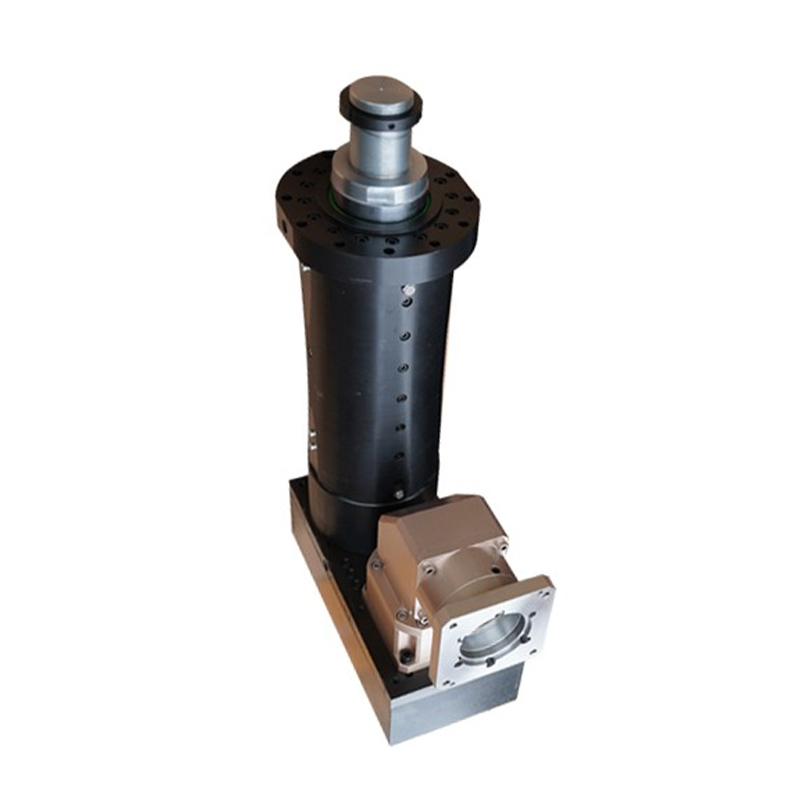
Stainless Steel Explosion-proof Electric Cylinder
The operating principle of the electric cylinder is based on the controlled conversion of rotary motor motion into linear movement. A motor supplies rotational input to the screw mechanism. Depending on the selected transmission configuration, the screw moves the actuator rod forward or backward to create a controlled linear stroke.
The screw lead is specified as 20 mm, and the available screw stroke is 0 to 3000 mm. These parameters provide the basis for selecting the relationship between motor rotation, actuator speed, travel distance, and thrust. The screw diameter of 100 mm supports the high-load design of the TYSC250 model and contributes to the mechanical strength of the transmission assembly.
The motor connection is specified as direct connection. A direct connection can help create a compact mechanical arrangement and reduce the number of intermediate transmission components. Fewer external transmission elements may simplify machine integration and reduce potential alignment issues. The product information also identifies a backtrack configuration option, allowing engineers to select an arrangement that matches the required motion direction and machine layout.
Several reduction ratios are available: 1:4, 1:5, 1:10, 1:20, and 1:50. The reduction ratio influences the balance between output speed and available mechanical advantage. A lower reduction level may be selected where faster movement is important, while a higher reduction ratio may be preferred where greater mechanical advantage, controlled movement, or heavy-load operation is required. The appropriate selection depends on the load, desired speed, duty cycle, acceleration, and control strategy.
Motor power options include 3 kW, 4 kW, 5.5 kW, 7.5 kW, and 11 kW. This range allows the actuator to be matched to the performance demands of different machine systems. Selecting the motor power should not be based only on the maximum static load. Engineers should also consider acceleration, deceleration, friction, duty cycle, emergency-stop requirements, vertical or horizontal installation, external forces, and the required operating frequency.
The actuator can be equipped with anti-rotation functionality. When enabled, anti-rotation prevents the moving rod or connected load from rotating during linear travel. This can be valuable for tools, fixtures, pressing heads, and other machine elements that must maintain a fixed orientation. The product also supports an optional limit switch, which can provide end-of-travel feedback or help establish a controlled operating boundary.
The cylinder can be configured with different mounting types, including a bottom threaded hole, base plate, front flange, tail flange, tail projection pin, tail pin hole, and customized arrangements. These options help manufacturers connect the actuator to frames, machine bases, articulated structures, pressing mechanisms, and other equipment layouts.
The following table summarizes the principal information supplied for the TYSC250 stainless steel explosion-proof electric cylinder. Some parameters are available in multiple configurations and should be confirmed during technical selection.
| Item | Specification |
|---|---|
| Model | TYSC250 |
| Motor connection | Direct connection; backtrack configuration available |
| Screw diameter | 100 mm |
| Screw lead | 20 mm |
| Screw stroke | 0–3000 mm |
| Rated thrust | 300 kN |
| Reduction ratio | 1:4, 1:5, 1:10, 1:20, or 1:50 |
| Motor power | 3 kW, 4 kW, 5.5 kW, 7.5 kW, or 11 kW |
| Rated speed | 250 |
| Anti-rotation | Available with or without anti-rotation |
| Limit switch | Available with or without limit switch |
| Repeatability | ±0.02 |
| Mounting options | Bottom threaded hole, base plate, front flange, tail flange, tail projection pin, tail pin hole, or customization |
| Load connection options | External thread, internal thread, rod-end bearing, double pin holes at the rod end, or customization |
| Protection rating | IP65 |
The listed values provide a starting point for product selection rather than a substitute for a complete application review. Final performance depends on the motor, reduction ratio, load direction, installation method, control configuration, duty cycle, ambient conditions, and mechanical connection. For critical equipment, the actuator should be evaluated under the actual operating conditions before volume production.
Material selection is one of the most important differences between a standard actuator and an actuator intended for harsh industrial conditions. A machine may be exposed to water vapor, cleaning agents, salt-laden air, process chemicals, dust, or repeated temperature changes. These conditions can accelerate corrosion, reduce mechanical clearances, damage exposed surfaces, and shorten the useful life of ordinary components.
The stainless steel construction of this electric cylinder addresses these risks at the structural level. Stainless steel is used for the cylinder body and core components, providing resistance to corrosion and wear. This is particularly useful in offshore installations, where salt spray and humid air can attack unprotected metal surfaces. It is also valuable in pharmaceutical and processing environments where equipment may be subject to frequent cleaning and strict hygiene practices.
Corrosion resistance also supports long-term dimensional stability. When corrosion develops on screw surfaces, bearing seats, threaded connections, or guide areas, it can affect motion quality and increase friction. By using stainless steel for major components, the actuator is better positioned to preserve its mechanical performance in challenging environments.
Wear resistance is equally important in high-load motion applications. The actuator may repeatedly generate substantial thrust, and the screw transmission must withstand repeated movement without excessive degradation. Proper material selection, machining accuracy, lubrication, sealing, and load alignment must work together to achieve reliable service. Stainless steel provides an important foundation, while correct installation and maintenance remain essential.
The IP65 protection rating further supports use in environments containing dust and water spray. IP65 indicates protection against dust ingress and water jets from specified directions. It does not mean that the actuator can be submerged or exposed to every type of chemical without further evaluation. Users should assess the exact cleaning method, liquid composition, temperature, pressure, and exposure frequency before installation.
Explosion-proof equipment is used where flammable gases, vapors, mists, or combustible dust may create an ignition hazard. In these areas, electrical and mechanical equipment must be selected and installed carefully. A suitable actuator must be considered as part of the complete machine, including its motor, wiring, connectors, feedback equipment, control cabinet, grounding, protective devices, and operating environment.
The stainless steel explosion-proof electric cylinder is described as following explosion-proof standards and as being designed to block the generation of electrical sparks during operation. This safety-oriented construction makes it appropriate for consideration in applications with elevated explosion-proof requirements, including petrochemical production, offshore platforms, and pharmaceutical workshops.
The actuator selection process should begin with an assessment of the hazardous area. Engineers should identify the type of combustible material, the possibility and duration of hazardous exposure, the environmental temperature range, the required equipment protection level, and the applicable national or regional regulations. The selected cylinder and motor configuration must be compatible with these requirements.
Electrical connections should be completed by qualified personnel using suitable explosion-proof components. Cable glands, junction boxes, connectors, grounding arrangements, and control devices must be selected according to the same safety classification as the installation. A cylinder with an appropriate design cannot compensate for unsuitable external wiring or an improperly protected control system.
Mechanical installation also affects safety. Misalignment, excessive side loading, impact, or abnormal friction can increase operating temperature and reduce service life. The actuator should therefore be installed on a sufficiently rigid machine structure, with the load aligned to the intended direction of travel. Anti-rotation elements, limit switches, and end stops should be configured so that the cylinder does not experience unexpected mechanical stress.
For these reasons, the product’s explosion-proof suitability should be verified against the specific application documentation and certification requirements before purchase. The information provided identifies the actuator as an explosion-proof product, while the final system designer remains responsible for confirming that the complete assembly satisfies the intended site conditions.
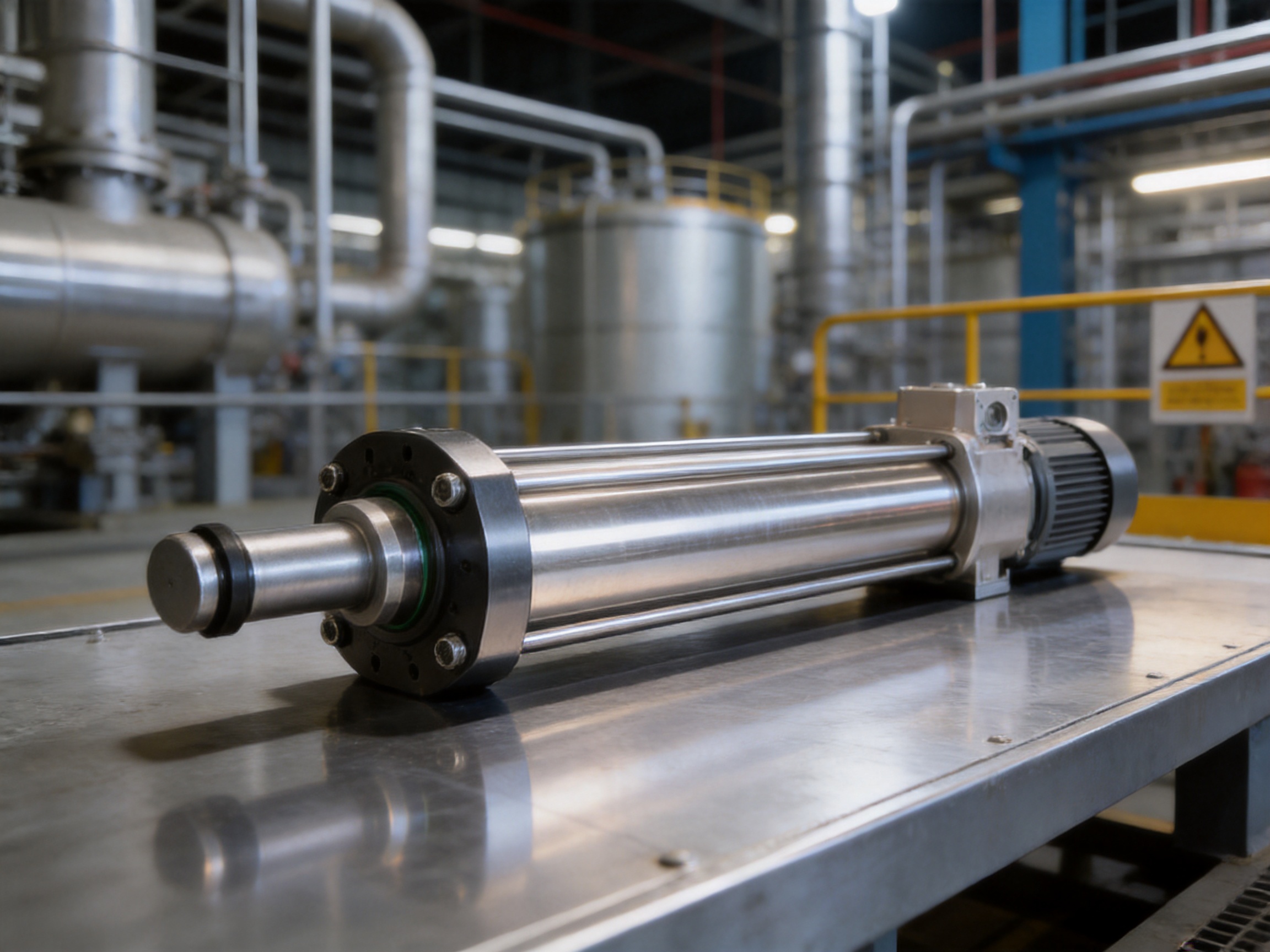
Precise linear motion is central to modern manufacturing. A cylinder may be required to position a tool, close a fixture, apply a controlled force, open or shut a process mechanism, or repeat a forming operation thousands of times. In each case, uncontrolled movement can lead to product defects, machine wear, safety problems, or production downtime.
The TYSC250 model has a stated repeatability of ±0.02. This specification indicates the actuator’s ability to return to a target position within a defined tolerance when operated under suitable conditions. Repeatability is influenced by screw quality, mechanical stiffness, backlash, load direction, temperature, lubrication, control resolution, and installation accuracy.
Electric actuation makes it possible to coordinate the cylinder with a motor controller, motion controller, programmable logic controller, or servo system. Depending on the selected control architecture, users can adjust travel, speed, stopping position, acceleration, deceleration, and operating sequence. This flexibility is useful when one machine must perform different product recipes or multiple motion profiles.
The adjustable stroke range of 0 to 3000 mm allows the product to serve both compact and long-travel applications. A shorter stroke may be used for pressing, clamping, valve actuation, and positioning. A longer stroke may be appropriate for lifting mechanisms, material-handling structures, large fixtures, or process equipment requiring extended travel.
Fast response speed can improve cycle time and machine productivity. However, speed must always be balanced against load, screw life, motor capacity, vibration, and stopping accuracy. The available reduction ratios allow designers to prioritize the performance characteristic that matters most for the application. A machine requiring high thrust and steady movement may use a different configuration from one requiring rapid travel with moderate loading.
The optional limit switch provides a practical method of monitoring travel boundaries. It can help prevent over-travel, establish a home position, or provide a confirmation signal to the control system. For more advanced applications, additional feedback and control equipment may be required. The choice should be based on the accuracy, safety, and process-monitoring requirements of the complete machine.
A rated thrust of 300 kN places the TYSC250 in a high-load actuator category. This level of force can support demanding industrial applications such as pressing, forming, lifting, clamping, positioning, and mechanical adjustment. It may also enable an electric alternative in situations where a hydraulic system would traditionally be considered.
High-load performance depends on more than the nominal thrust value. The actuator must be connected to a rigid support structure capable of transferring the load without deformation. The mounting arrangement must distribute forces correctly, and the load connection must avoid side forces that could damage the screw or guide system. External loads, impact forces, dynamic acceleration, and eccentric loading should be included in the engineering calculation.
The 100 mm screw diameter contributes to the heavy-duty design. A larger screw can provide greater resistance to mechanical stress when properly designed and supported. The 20 mm screw lead provides a defined relationship between rotational input and linear movement. Combined with the selectable reduction ratios and motor power options, these features give machine builders flexibility when balancing thrust, speed, and control requirements.
The actuator should not be operated continuously at its maximum rated thrust without considering duty cycle and thermal conditions. Every high-load application should be evaluated according to its operating frequency, stroke length, rest periods, ambient temperature, lubrication plan, and expected service life. Proper sizing can improve reliability and reduce unnecessary energy consumption.
When used in a press or forming machine, the actuator may need to hold a load for a period of time, move rapidly during approach, slow down before contact, and apply controlled force during the working phase. The motor, gearbox, screw transmission, control system, and machine frame must be selected as an integrated system. The actuator’s broad configuration range helps engineers create such a system, but application-specific calculations remain necessary.
Hydraulic cylinders are widely used for high-force movement, but a hydraulic installation usually requires a power unit, pump, tank, valves, hoses, filters, pressure-control devices, and a network of pipelines. These components increase system complexity and can create additional maintenance points. Leakage, hose damage, pressure loss, and contamination can also affect performance.
The electric cylinder provides an integrated alternative for applications where electric motion is technically and economically appropriate. It does not require complex hydraulic pipelines. This can simplify machine layout, reduce installation work, and make it easier to route the actuator within an automated production line. A more compact architecture may also assist machine designers when floor space is limited.
Electric control provides direct access to motion parameters. Travel, speed, stopping position, and operating sequence can be adjusted through the control system rather than through a network of hydraulic valves. This can improve process flexibility, especially when the machine must handle multiple products or change its operating profile.
Compared with pneumatic cylinders, the electric cylinder can provide substantially greater control over position and speed. Pneumatic systems are often effective for simple, fast movements, but compressed-air systems may have limited positioning precision and may require a compressor, air treatment equipment, valves, and distribution piping. The electric cylinder is better suited to applications requiring stable thrust, repeatable positioning, and programmable motion.
The stainless steel construction provides an additional advantage over ordinary actuator bodies made from less corrosion-resistant materials. In humid, dusty, or chemically aggressive environments, reduced corrosion risk can support longer service intervals and more consistent operation. The IP65 rating also offers protection against dust and water jets when the actuator is correctly installed and maintained.
These advantages do not mean that an electric cylinder is automatically the best choice for every machine. Hydraulic systems may remain appropriate for certain continuous high-power applications, while pneumatic systems may be preferred for simple low-cost movements. The value of the TYSC250 lies in its combination of high thrust, electric control, corrosion-resistant construction, flexible configuration, and explosion-proof application suitability.
Machine builders rarely work with identical layouts. Some systems require a fixed base, while others require pivoting supports or articulated connections. The actuator therefore offers multiple mounting arrangements, including a bottom threaded hole, base plate, front flange, tail flange, tail projection pin, and tail pin hole. Customized mounting solutions can also be discussed for specialized equipment.
The mounting method should be selected according to the direction of force, the movement geometry, the available space, and the required service access. A front flange can be useful when the actuator must be secured around the forward body section. A tail flange or pin-based connection may be suitable for mechanisms that need a different structural arrangement. A bottom threaded hole can support direct mounting to a machine plate or frame.
The load connection can be configured with an external thread, internal thread, rod-end bearing, double pin holes at the rod end, or a customized connection. These choices make it easier to connect the actuator to tooling, fixtures, linkages, pressing plates, lifting arms, or other machine components.
A rod-end bearing may help accommodate small angular changes in an articulated mechanism, while a threaded rod end can provide a straightforward connection to a rigid load. Pin-hole arrangements can be useful where the actuator is connected to a lever or hinged mechanism. The connection must be designed so that the actuator receives axial loading rather than unintended bending or lateral force.
Before installation, the machine builder should verify the cylinder’s mounting dimensions, the required clearance throughout the entire stroke, the position of cables and protective components, and the accessibility of inspection points. The moving rod should not contact surrounding structures, and mechanical end stops should not be used as a substitute for correctly configured limit protection.
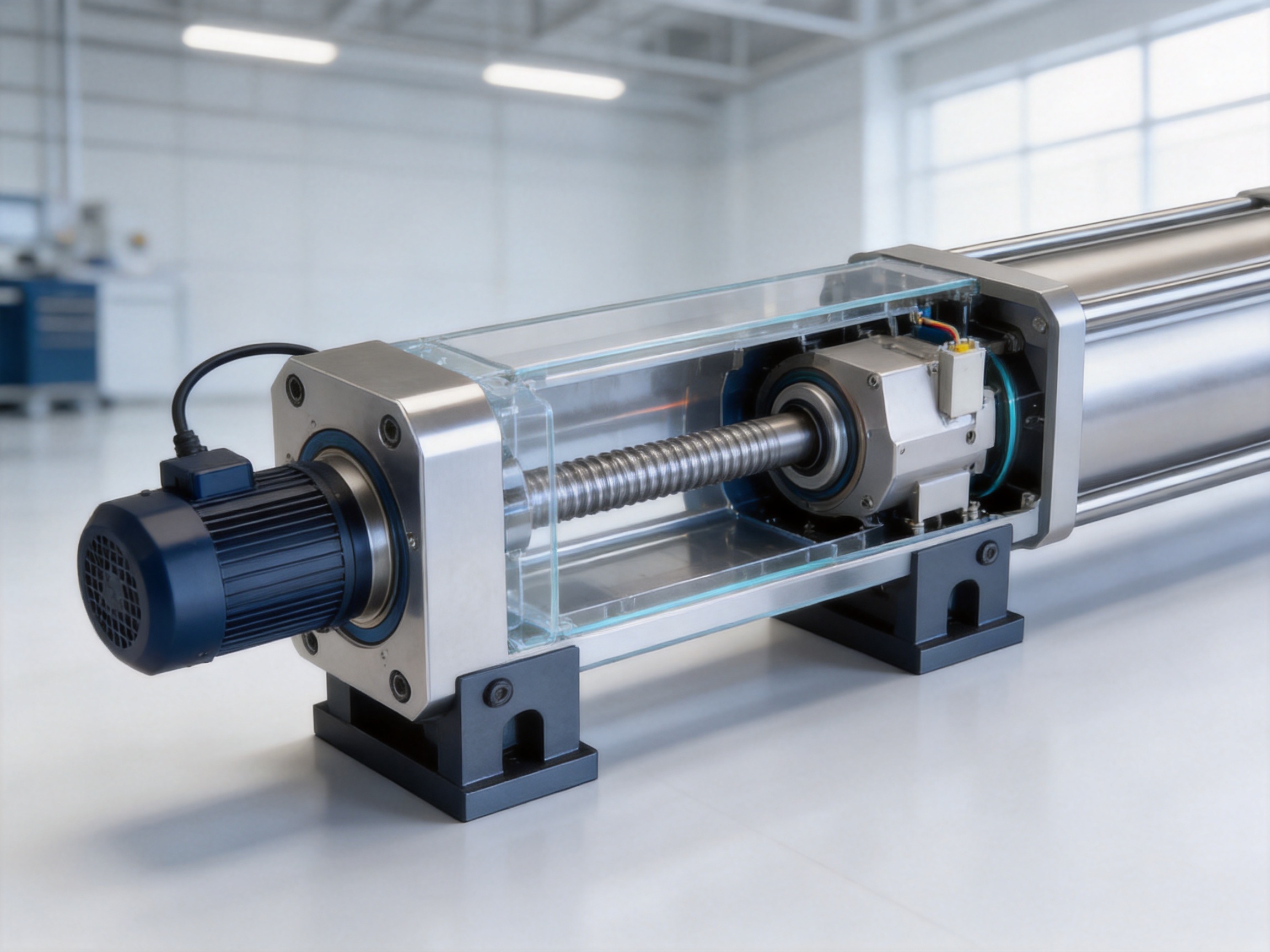
The manufacturer is a high-tech enterprise integrating research and development, production, and sales. Its product range includes electric cylinders, linear motion modules, linear motor modules, servo presses, robotic seventh axes, and multi-degree-of-freedom motion platforms. This broad portfolio provides an important engineering foundation for developing complete motion solutions rather than isolated components.
The company has an experienced research and development team, advanced design software, high-precision CNC machining centers, and a portfolio of core patents. These resources support the development of mechanical structures, transmission systems, mounting interfaces, control-related solutions, and application-specific configurations.
High-precision CNC machining is particularly relevant to electric cylinders. Screw housings, mounting surfaces, bearing seats, threaded interfaces, and rod assemblies must be manufactured with appropriate dimensional accuracy. Proper machining helps maintain alignment and supports smooth motion. It also enables the production of customized mounting and load-connection arrangements when a standard configuration does not fit the customer’s equipment.
Design software enables engineers to evaluate the actuator structure before production. Digital design can help review load paths, installation interfaces, clearances, component relationships, and motion envelopes. When combined with machining capability and practical application knowledge, this approach supports a more controlled transition from concept to finished product.
The company’s development history includes linear modules, electric cylinders, servo presses, six-degree-of-freedom motion platforms, algorithmic control software, and multi-degree-of-freedom platform linkage systems. This experience indicates an understanding of both individual actuators and coordinated motion systems. For customers, that can be valuable when an electric cylinder must be integrated into a broader automation project.
Collaboration with state-owned enterprises, defense technology institutions, and leading universities has supported the integration of industry, academia, and research. Such cooperation can contribute to the development of new structures, control methods, materials, and application technologies. It also reflects a commitment to continued product development rather than relying only on existing actuator designs.
The company was established in 2013 and has continued to expand its product development and manufacturing capabilities. Its stated values include quality, reputation, innovation, and development. These principles are especially relevant to high-load and safety-oriented products, where reliability depends on consistent engineering, manufacturing discipline, product communication, and after-sales support.
A reliable electric cylinder begins with a clear design process. Product development should define the required thrust, stroke, speed, reduction ratio, mounting arrangement, environmental protection, and control interface. The selected materials and component dimensions must be evaluated against expected mechanical and environmental loads.
The next stage is precision manufacturing. High-precision CNC machining centers can produce the main structural components and interfaces according to engineering drawings. Accurate machining is important because small alignment errors can produce increased friction, uneven wear, vibration, and reduced repeatability. The stainless steel body and core components must be processed carefully to preserve both surface quality and dimensional accuracy.
Assembly is another critical stage. Bearings, screw components, seals, motor interfaces, anti-rotation elements, limit switches, and mounting parts must be installed in the correct relationship. Assembly procedures should control contamination, alignment, fastener installation, lubrication, and inspection. For an actuator intended for harsh or hazardous environments, sealing and electrical interface quality are particularly important.
Functional testing should verify the main operating characteristics. Depending on the configuration, testing may include no-load movement, stroke verification, direction of travel, limit-switch operation, repeatability, noise and vibration observation, and load performance. The product should also be checked for visible damage, incorrect connections, and sealing or enclosure issues.
Quality control should continue through packaging and delivery. The actuator should be protected from impact, moisture, and contamination during transportation. Documentation should identify the configuration, mounting details, electrical requirements, and operating precautions. Clear documentation helps the customer integrate the product correctly and reduces the risk of installation errors.
Because product configurations can vary, technical communication between the manufacturer and customer is essential. The motor power, reduction ratio, stroke, connection method, mounting type, anti-rotation option, limit-switch option, protection rating, and hazardous-area requirements should be confirmed before production. This approach avoids mismatches between the actuator and the customer’s machine.
Petrochemical facilities may contain flammable gases, vapors, and liquids. They also frequently include corrosive substances and outdoor equipment exposed to humidity and weather. A stainless steel explosion-proof electric cylinder can be considered for valve mechanisms, process adjustment systems, opening and closing equipment, positioning structures, and other applications requiring controlled linear motion.
The actuator’s electric control can support automated sequences, while the stainless steel construction helps address corrosive conditions. Before installation, the equipment classification and explosion-proof requirements must be confirmed. The complete motor and electrical system must be suitable for the hazardous area.
Offshore platforms expose equipment to salt spray, high humidity, wind, vibration, and limited maintenance access. Corrosion resistance is therefore a significant design factor. The stainless steel body and IP65 protection rating make the actuator suitable for evaluation in offshore motion applications where water spray and dust protection are required.
Possible uses include heavy-duty adjustment mechanisms, controlled access systems, material-handling equipment, positioning devices, and process-support machinery. The final design should account for marine environmental conditions, structural movement, cable protection, emergency operation, and service accessibility.
Pharmaceutical production areas often require carefully controlled equipment surfaces and regular cleaning. Moisture, cleaning agents, and strict process requirements can place additional demands on actuator materials and sealing. Stainless steel construction can help support equipment durability in these conditions.
The electric cylinder may be used in automated pressing, positioning, handling, dosing-related mechanisms, or machine adjustment systems, provided that the specific configuration meets the hygiene, safety, and process requirements of the workshop. The IP65 rating should be considered together with the actual cleaning method and chemical exposure.
Industrial automation systems increasingly require actuators that combine high force with programmable control. The 300 kN rated thrust of the TYSC250 model supports applications involving large fixtures, heavy clamping structures, industrial adjustment systems, and forming or pressing equipment.
Its 0 to 3000 mm stroke range and multiple motor power options allow the same product family to serve different machine sizes. Engineers can select the configuration according to load, motion speed, installation geometry, and control requirements.
Servo press machines require controlled movement, stable force, and repeatable positioning. An electric cylinder can support approach, pressing, holding, and return phases through a programmable motion sequence. The selected screw transmission, motor, reduction ratio, and control system must be matched to the pressing profile.
The stainless steel explosion-proof version may be considered when pressing or forming equipment must operate in a hazardous or corrosive environment. The final machine must be assessed as a complete system, including tooling, guarding, control equipment, and safety functions.
One of the principal benefits of an electric cylinder is the elimination of complex hydraulic pipelines. A hydraulic installation can require continuous operation of a pump and supporting equipment, even when the actuator is moving intermittently. An electric system can be controlled according to the required motion sequence, potentially reducing unnecessary auxiliary equipment and simplifying energy management.
The total operating value of an actuator includes purchase cost, installation time, commissioning, energy consumption, maintenance, replacement parts, downtime, and service life. A product with a higher initial specification may provide greater value if it reduces installation complexity and supports stable operation in difficult environments.
Maintenance requirements depend on the operating conditions and configuration. Inspection should include the cylinder body, rod, screw transmission, mounting points, load connection, anti-rotation system, limit switches, electrical connections, and protective seals. The actuator should be checked for unusual noise, vibration, increased friction, abnormal temperature, corrosion, or changes in repeatability.
Lubrication should follow the manufacturer’s instructions and should be compatible with the operating temperature, environmental conditions, and explosion-proof requirements. Excessive or unsuitable lubricant can attract dust, affect seals, or create other problems. In hazardous areas, maintenance work must follow the site’s permit and isolation procedures.
Regular inspection of mechanical alignment is also important. If the connected machine structure shifts over time, the actuator may experience side loading. This can increase wear and reduce the life of the screw and bearing components. Correcting alignment early can prevent more serious damage.
Limit switches and anti-rotation components should be tested periodically. A limit switch that is incorrectly positioned or damaged may fail to provide the expected travel signal. An anti-rotation system that is loose or misaligned may allow unwanted rotation or create additional resistance.
The first selection parameter is the required force. Engineers should identify the maximum static load, dynamic load, friction, acceleration force, impact force, and any external process force. A suitable safety margin should be included, and the actuator should not be selected solely from a nominal load value.
The second parameter is stroke. The TYSC250 provides a stroke range of 0 to 3000 mm, but the actual required travel should include working movement, approach distance, return movement, installation clearance, and any safety margin. A stroke that is longer than necessary may increase machine size and cost, while a stroke that is too short may limit the process.
Speed and cycle time must then be considered. The screw lead, reduction ratio, and motor power affect the movement profile. Fast travel may be beneficial for productivity, while a higher reduction ratio may be appropriate for heavy loads and controlled movement. Acceleration and deceleration must be evaluated to prevent excessive mechanical stress.
The installation type should be selected according to the machine structure. Fixed, flange-mounted, threaded, pin-connected, and articulated arrangements impose different forces on the actuator. The load connection should be chosen to preserve axial alignment and prevent bending loads.
Environmental conditions are equally important. Engineers should document temperature, humidity, dust, water exposure, corrosive chemicals, cleaning procedures, vibration, and hazardous-area classification. The stainless steel construction and IP65 rating address important environmental concerns, but the specific application must still be reviewed carefully.
Control requirements should identify whether the machine needs simple forward and reverse operation, programmable positioning, synchronized movement, force control, end-position feedback, or integration with a servo system. The optional limit switch and selectable anti-rotation function can be included where required.
Finally, the complete configuration should be reviewed with the supplier. Confirming the model, stroke, screw lead, reduction ratio, motor power, speed, mounting type, load connection, protection rating, and explosion-proof requirements before production helps prevent costly changes later.
Integration begins with the mechanical layout. The actuator should be positioned so that its movement is aligned with the intended load path. The supporting frame must be stiff enough to prevent deflection under the rated force. If the machine includes guides, the guides should carry lateral forces while the electric cylinder provides the intended axial movement.
The actuator should be connected to a compatible motor-control system. The controller must support the selected motor and provide the required protection, switching, feedback, and emergency functions. In an explosion-risk environment, the control cabinet and external electrical devices must be placed and protected according to the site requirements.
Commissioning should begin at low speed and without the full process load when possible. The installer should verify direction, travel limits, clearances, anti-rotation operation, and emergency-stop behavior. The machine can then be tested progressively under increasing load while monitoring temperature, noise, vibration, and repeatability.
Any unusual movement should be investigated before production operation. Common causes may include misalignment, insufficient support, incorrect reduction-ratio selection, excessive load, unsuitable control parameters, or interference with surrounding components. Early commissioning checks can protect the actuator and improve machine reliability.
For systems with several actuators, synchronization should be evaluated carefully. Differences in load distribution, friction, mechanical stiffness, and control response can cause one actuator to carry more force than another. The control strategy should be designed to prevent overload and maintain safe machine movement.
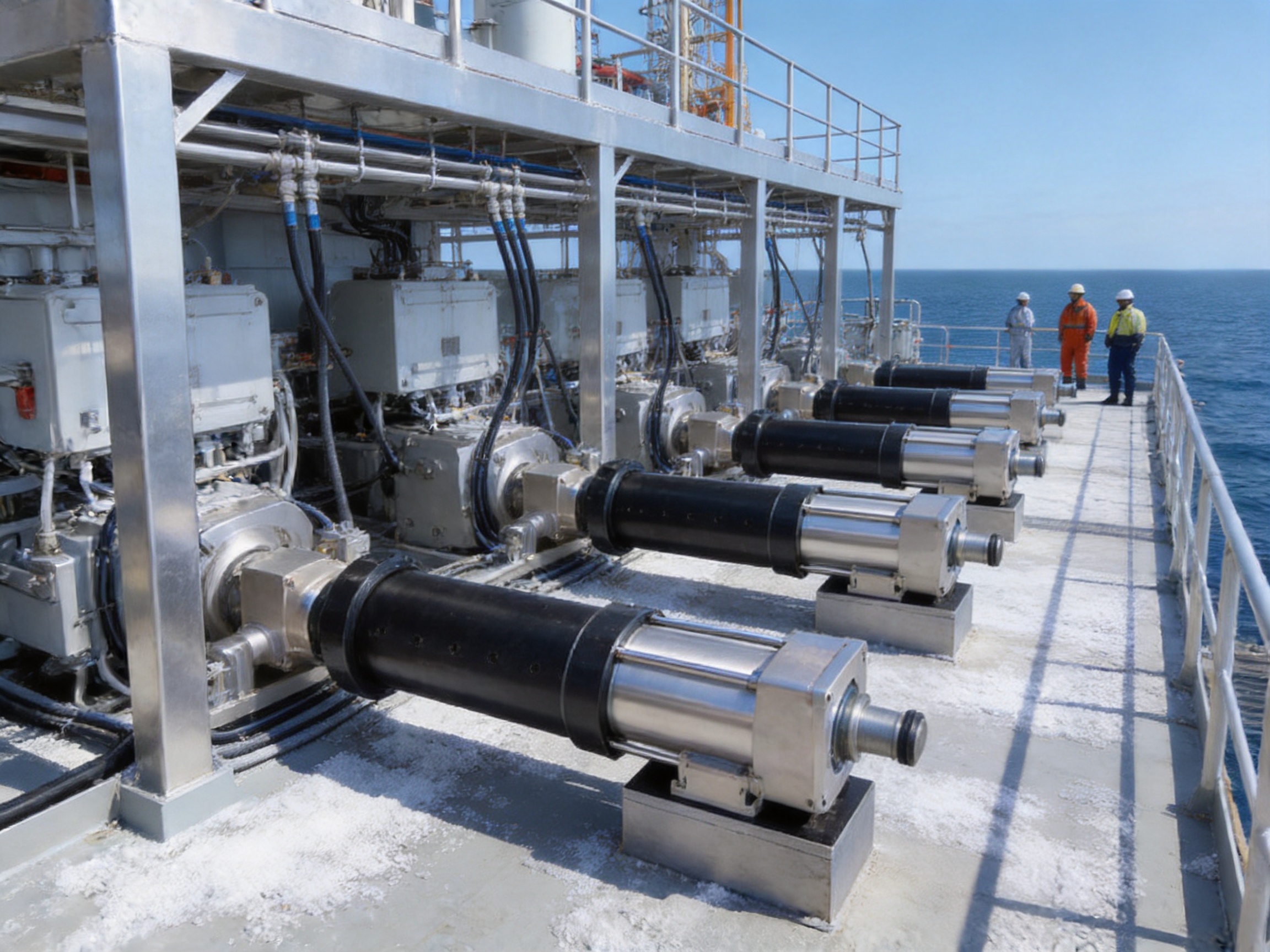
The stainless steel explosion-proof electric cylinder combines several advantages that are not always available in one conventional actuator. Its stainless steel construction supports corrosion resistance and wear resistance. Its electric operating principle supports programmable linear motion. Its high 300 kN thrust rating addresses heavy-duty requirements. Its 0 to 3000 mm stroke supports a broad range of machine layouts.
The selectable reduction ratios and motor powers allow engineers to optimize the actuator for different combinations of force and speed. Optional anti-rotation and limit-switch functions provide additional configuration flexibility. Multiple mounting and load-connection methods make the cylinder easier to adapt to customer equipment.
The IP65 protection rating provides protection against dust and water jets under defined conditions. Combined with stainless steel construction, this makes the product suitable for consideration in humid, dusty, corrosive, and demanding environments. The explosion-proof design further supports applications where ignition risk must be addressed.
Compared with standard electric cylinders, the product offers a stronger focus on hazardous and corrosive environments. Compared with hydraulic systems, it can reduce pipeline complexity. Compared with basic pneumatic actuators, it offers more precise control over linear motion. These advantages make it a practical option for customers seeking a high-load actuator with integrated engineering flexibility.
The manufacturer’s broader capabilities also strengthen the product offering. Experience with electric cylinders, linear motion systems, servo presses, robotic axes, and multi-degree-of-freedom platforms allows the company to understand how the actuator may fit into a larger automation project. Its research team, design software, CNC machining centers, patents, and industry collaborations support continued product improvement and customized development.
Not every machine can use a standard actuator without modification. The product supports customization in mounting types and load-connection methods, including customized mounting structures and rod-end solutions. This is useful for equipment manufacturers that need to match existing frames, tooling, or mechanical linkages.
Customization may involve the mounting interface, rod-end structure, pin arrangement, anti-rotation configuration, limit-switch arrangement, stroke, motor power, or reduction ratio. Each change should be evaluated for mechanical strength, sealing, protection, installation clearance, and compatibility with the intended control system.
Project support should begin with the customer’s application information. Important data includes load, stroke, speed, duty cycle, installation orientation, environmental exposure, hazardous-area classification, connection method, available space, and required accuracy. With this information, the appropriate actuator configuration can be identified more reliably.
For integrated projects, the actuator may be combined with linear motion modules, servo presses, robotic axes, or multi-degree-of-freedom platforms. The manufacturer’s product portfolio can support customers that require several motion technologies within the same automation system.
Long-term cooperation also depends on documentation and communication. Customers should receive clear technical information about installation, operation, maintenance, electrical requirements, and safety limitations. A well-documented actuator is easier to commission, service, and integrate into a controlled manufacturing environment.
The actuator must be installed and operated by personnel with suitable technical qualifications. Before use, the machine builder should confirm that the actuator’s rated force, stroke, speed, motor power, protection rating, and explosion-proof characteristics match the application.
Personnel should never place themselves in the actuator’s movement area while the system is energized. Guards, interlocks, emergency stops, mechanical supports, and safe maintenance procedures should be included in the complete machine. The actuator’s limit switch should not be treated as the only protective measure for personnel safety.
In hazardous areas, all electrical and mechanical installation procedures must comply with the relevant regulations and site rules. Power must be isolated before maintenance, and any opening or adjustment of protected components must be carried out according to approved procedures.
Loads should be secured against unexpected movement. Vertical applications may require additional holding or braking provisions depending on the selected motor and control system. The actuator should not be used to support a suspended load unless the complete design includes appropriate safeguards for power loss and emergency conditions.
Users should also avoid exceeding the rated load or applying side forces beyond the design capability. Overloading can damage the screw transmission, mounting structure, motor, or control equipment. If the application involves impact, shock, vibration, or rapidly changing loads, these factors must be included in the engineering review.
Its main purpose is to provide precise, high-load linear reciprocating motion in demanding environments where corrosion resistance, dust and water protection, and explosion-proof considerations are important. It is intended for industrial automation applications such as petrochemical equipment, offshore platforms, pharmaceutical workshops, pressing systems, and heavy-duty positioning machinery.
The stated rated thrust is 300 kN. The actual permissible operating load depends on the movement profile, duty cycle, installation orientation, external forces, acceleration, and mechanical support structure. Application-specific engineering should be completed before selecting the final configuration.
The supplied specification lists a screw stroke range of 0 to 3000 mm. The required stroke should be selected according to the machine’s working travel, clearance, process sequence, and installation requirements.
The listed motor power options are 3 kW, 4 kW, 5.5 kW, 7.5 kW, and 11 kW. The correct motor power depends on thrust, speed, acceleration, duty cycle, and the operating environment.
The available reduction ratios are 1:4, 1:5, 1:10, 1:20, and 1:50. The selected ratio affects the relationship between motor speed, output speed, mechanical advantage, and load-handling performance.
Anti-rotation is available as a selectable configuration. It can help prevent the actuator rod or connected load from rotating during linear movement. The need for anti-rotation depends on the machine design and the orientation requirements of the load.
Yes. The product information lists the limit switch as an optional configuration. It can be used for end-of-travel monitoring or position-related control functions, subject to the requirements of the complete machine.
The stated repeatability is ±0.02. Actual repeatability in a machine depends on the control system, installation accuracy, mechanical stiffness, load direction, temperature, backlash, lubrication, and operating conditions.
The listed protection rating is IP65. This provides protection against dust ingress and water jets under specified test conditions. It does not indicate suitability for immersion, and chemical compatibility should be evaluated separately.
Stainless steel provides excellent corrosion resistance and wear resistance. It is useful in environments exposed to humidity, heavy dust, salt spray, cleaning processes, or corrosive substances. It can help preserve the actuator’s structural condition and support long-term reliability.
It can be considered as an electric alternative in applications where its thrust, speed, duty cycle, control, and environmental characteristics meet the requirements. Unlike a hydraulic system, it does not require complex hydraulic pipelines. However, the complete application should be evaluated before making a replacement decision.
Available options include a bottom threaded hole, base plate, front flange, tail flange, tail projection pin, tail pin hole, and customized arrangements. The appropriate option depends on the machine frame, force direction, available space, and movement geometry.
The listed load-connection options include an external thread, internal thread, rod-end bearing, double pin holes at the rod end, and customization. The connection should be selected to maintain alignment and minimize bending or side loading.
The product can be considered for petrochemical facilities, offshore platforms, pharmaceutical workshops, heavy-duty automation, servo press machines, forming equipment, positioning mechanisms, lifting systems, and other applications requiring controlled linear motion in demanding conditions.
Customers should confirm the required thrust, stroke, speed, motor power, reduction ratio, installation orientation, mounting type, load connection, anti-rotation requirement, limit-switch requirement, protection conditions, hazardous-area classification, duty cycle, and control interface. These details help ensure that the selected configuration matches the machine.
The stainless steel explosion-proof electric cylinder is designed for industrial users who need more than basic linear movement. It combines stainless steel construction, corrosion and wear resistance, explosion-proof application considerations, high thrust, adjustable stroke, electric control, flexible mounting, and an IP65 protection rating.
The TYSC250 model provides a rated thrust of 300 kN, a 100 mm screw diameter, a 20 mm screw lead, a stroke range of 0 to 3000 mm, multiple reduction ratios, motor power options from 3 kW to 11 kW, optional anti-rotation and limit-switch functions, and repeatability of ±0.02. These specifications make it suitable for a wide range of heavy-duty automation tasks.
Its advantages become especially clear when compared with conventional hydraulic or pneumatic solutions. The electric cylinder can reduce the need for complex hydraulic pipelines, provide programmable motion, and simplify integration into automated systems. Stainless steel construction and explosion-proof design considerations make it appropriate for evaluation in corrosive and hazardous environments.
The manufacturer strengthens this product with research and development capabilities, advanced design software, high-precision CNC machining centers, core patents, and experience across electric cylinders, linear motion modules, servo presses, robotic axes, and multi-degree-of-freedom platforms. This combination of product engineering and manufacturing capability supports both standardized supply and application-specific customization.
For the best results, the actuator should be selected as part of a complete mechanical, electrical, and safety system. Correct sizing, alignment, installation, control, inspection, and maintenance are essential. When these factors are properly addressed, the stainless steel explosion-proof electric cylinder can provide a durable and precise solution for demanding industrial linear-motion applications.
1. Product specification information for the TYSC250 stainless steel explosion-proof electric cylinder.
2. Technical information on electric-cylinder screw transmission, selectable reduction ratios, mounting configurations, and load connections.
3. General industrial guidance on IP65 enclosure protection and equipment installation in dusty or water-spray environments.
4. General engineering principles for hazardous-area equipment selection, grounding, electrical protection, and system-level explosion-proof compliance.
5. General application practices for high-load electric actuators, servo presses, linear motion systems, and automated manufacturing equipment.
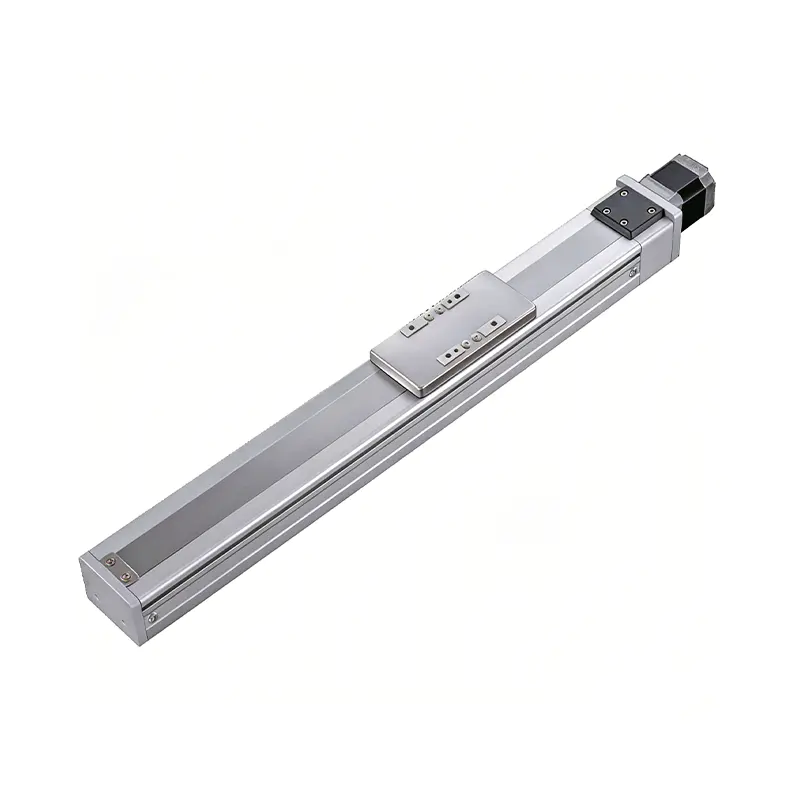 0.01mm High Precision Ball Screw Driven Rail-Embedded Linear Module
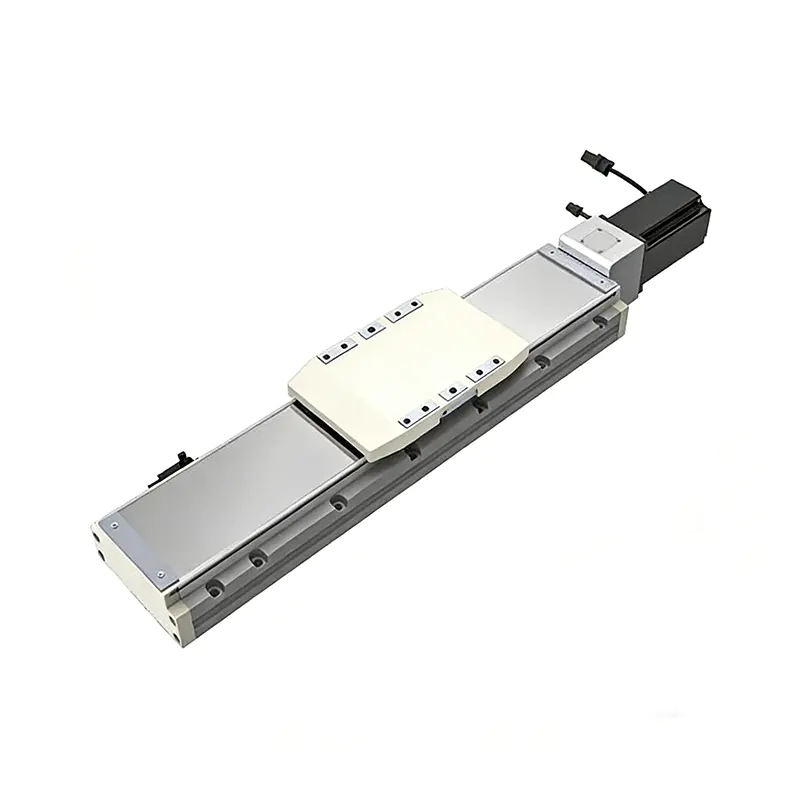 Heavy Load Ball Screw Driven Rail-Embedded Linear Module
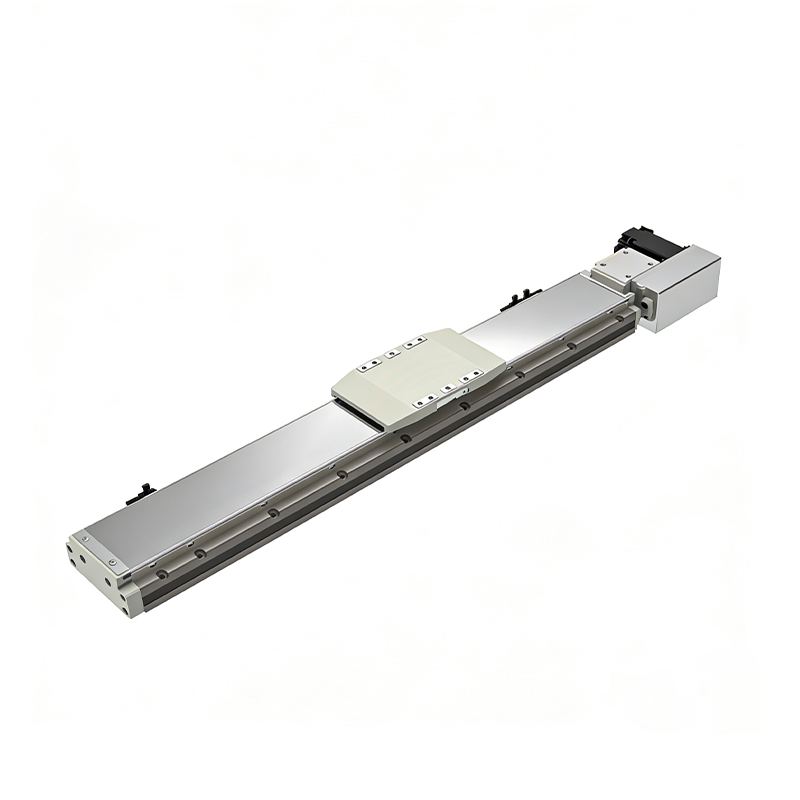 110KG Load Long Stroke Rail-Embedded Linear Module
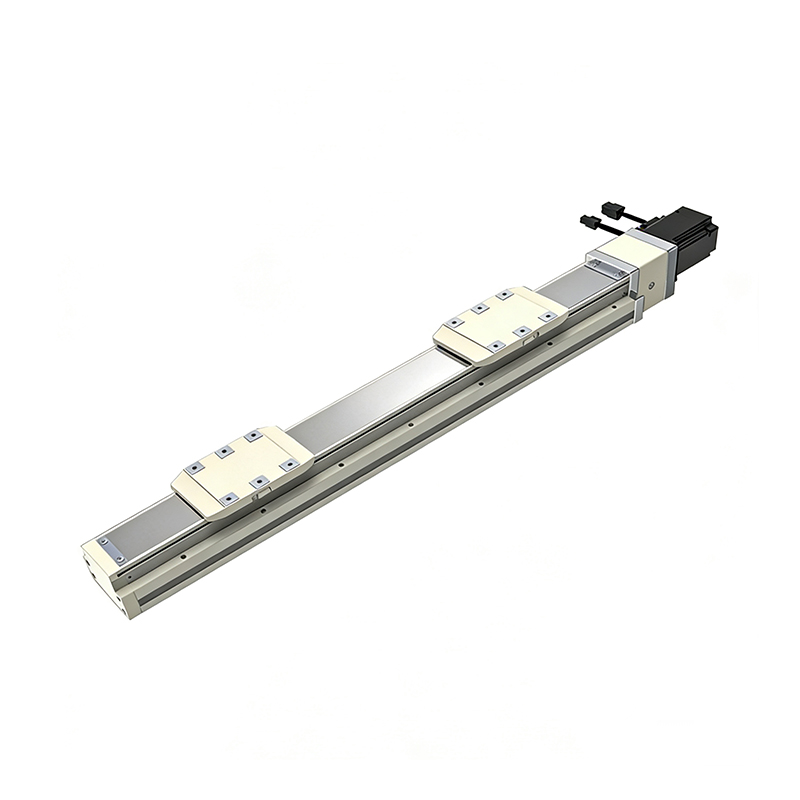 Dual-Slider High Precision Rail-Embedded Linear Module
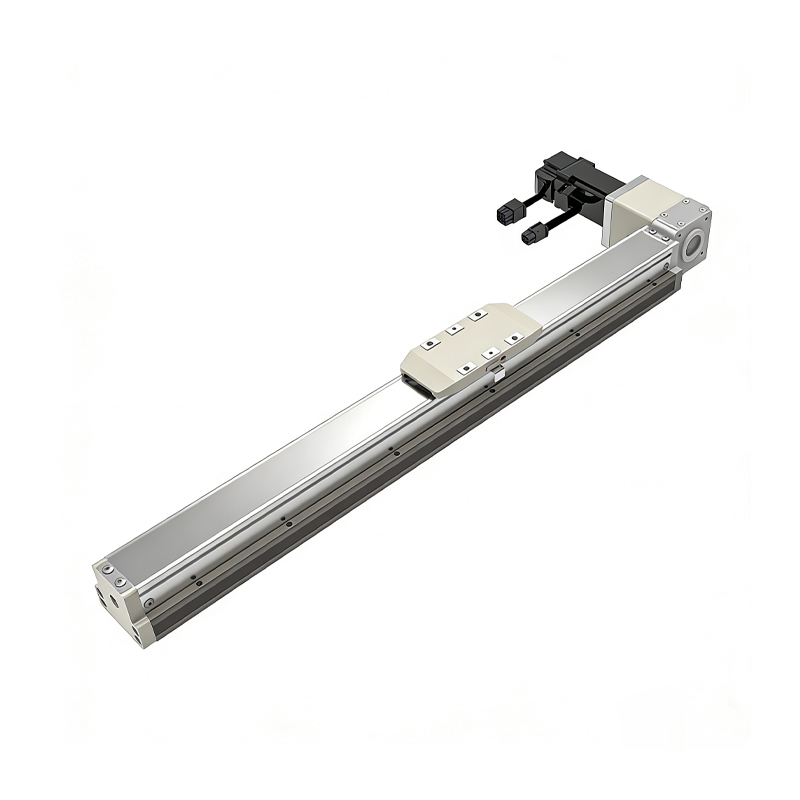 Belt Driven Dust-Proof Rail-Embedded Linear Module
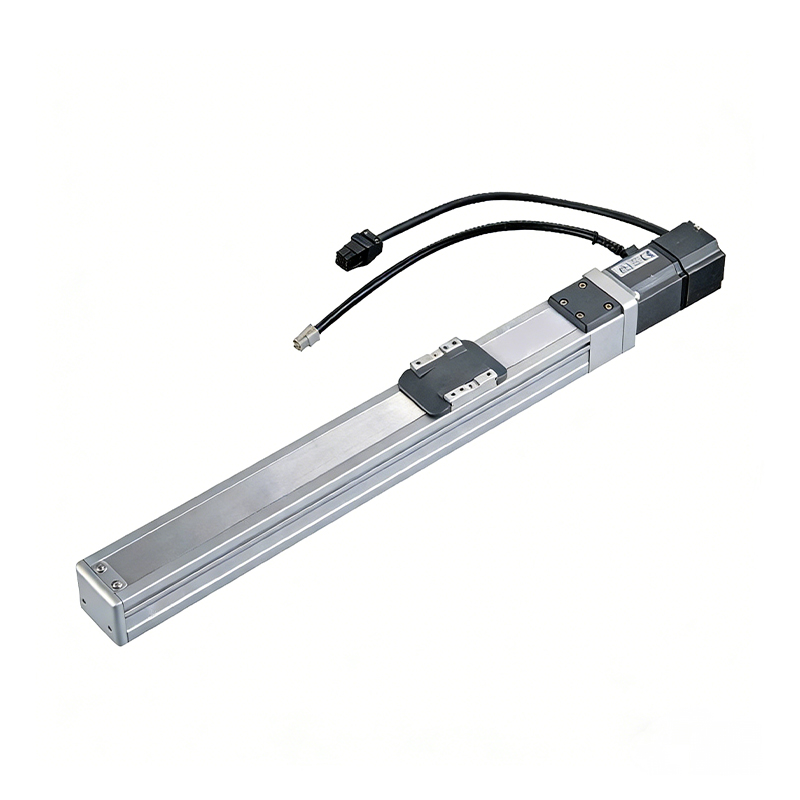 0.01mm High Precision Light Load Ball Screw Linear Module
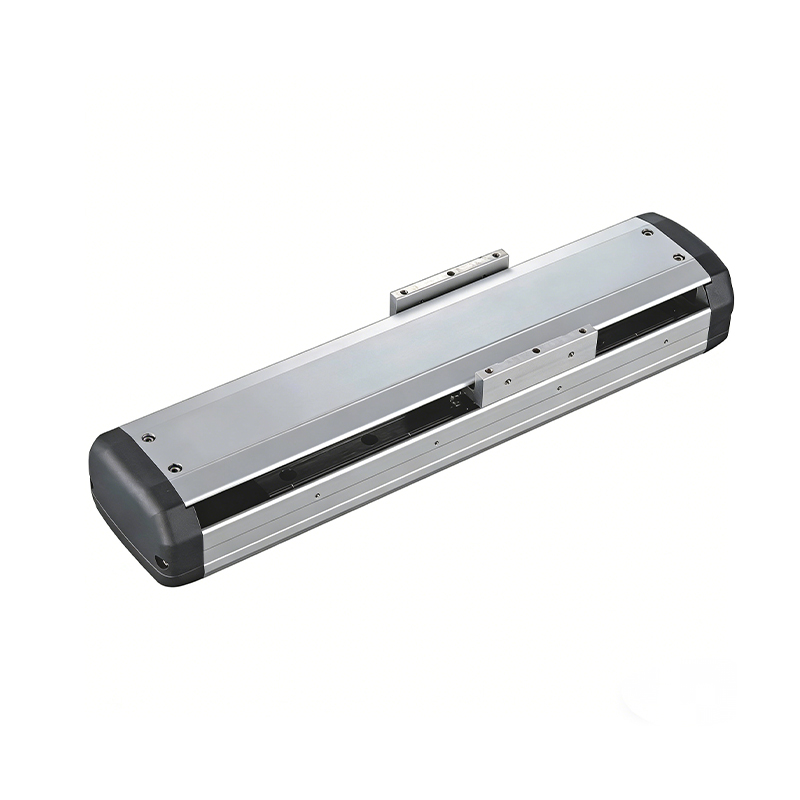 Ball Screw Linear Module with Built-in Sensor
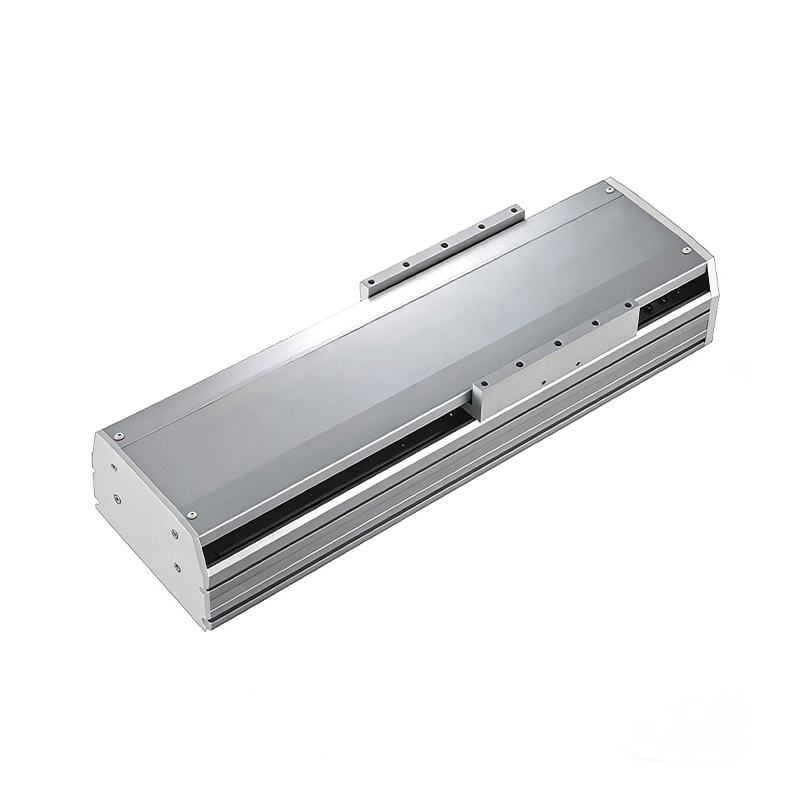 2000mm Long Stroke Ball Screw Linear Module
This 2000mm Long Stroke Ball Screw Linear Module is customized for large-range linear movement automation tasks, support...
READ MOREThis 2000mm Long Stroke Ball Screw Linear Module is customized for large-range linear movement automation tasks, support...
READ MOREThis 2000mm Long Stroke Ball Screw Linear Module is customized for large-range linear movement automation tasks, support...
READ MOREThis 2000mm Long Stroke Ball Screw Linear Module is customized for large-range linear movement automation tasks, support...
READ MORE
If you are interested in our products, please leave us a message. We look forward to providing you with
professional services!
Innovation and transcendence make factory intelligent manufacturing efficient and convenient!
+86 186 2508 0683
19962977901
sales@sz-tys.com
Building 5, Suzhou Mudu International Science and Technology Innovation Park, Jinfeng South Road, Suzhou City, Jiangsu Province, China
