


 English
 Français
 русский
 عربى
عربى Español
 Deutsch
Tel
+86 186 2508 0683

Modern manufacturing increasingly depends on motion systems that can deliver high force, accurate positioning, reliable speed control, and dependable operation in demanding environments. Conventional pneumatic cylinders remain useful for simple point-to-point movement, but they often require compressed-air infrastructure, provide limited control over intermediate positions, and consume energy even when the system is idle. Standard electric actuators offer better controllability, yet some models are not designed for dusty, humid, or potentially hazardous industrial conditions. The servo-driven explosion-proof electric cylinder addresses these limitations by combining electromechanical thrust generation, servo control, robust enclosure design, and flexible mechanical integration in one industrial motion solution.
The TYSC270 servo-driven explosion-proof electric cylinder is designed for applications that require powerful linear movement together with accurate and repeatable control. It can be used for pushing, lifting, telescoping, clamping, pressing, positioning, and other automated operations. Its servo drive system supports millisecond-level positioning control, while the stated positioning accuracy can reach ±0.01 mm under suitable system conditions. The product specification lists repeatability of ±0.02 mm, providing a practical foundation for high-precision production equipment and synchronized automation systems.
In addition to precision, the cylinder is designed for demanding industrial environments. Its protective structure helps isolate internal electrical and mechanical components from dust and water vapor intrusion. The product is specified with an IP65 protection rating, making it suitable for equipment exposed to dust and low-pressure water jets when properly installed and maintained. For applications involving combustible dust, explosive gases, or other hazardous atmospheres, the complete system must be selected and validated according to the applicable explosion-protection classification, certification, wiring requirements, and installation regulations.
This article examines the operating principle, performance characteristics, design advantages, manufacturing capabilities, application value, integration methods, maintenance requirements, and selection considerations of the servo-driven explosion-proof electric cylinder. It also explains why a specialized manufacturer with in-house engineering, precision machining, testing, and customization capabilities can provide greater value than a supplier offering only a generic actuator body.
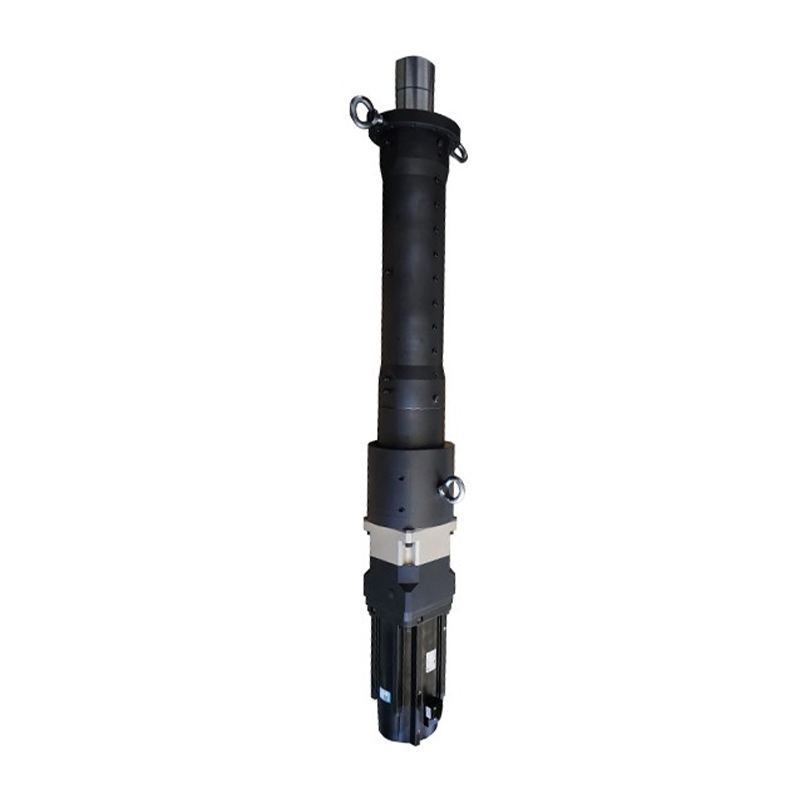
Servo Driven Explosion-proof Electric Cylinder
An electric cylinder converts the rotary motion of an electric motor into controlled linear motion. The motor turns a screw through a direct connection or a reduction mechanism. The screw engages with a nut or transmission element, causing the actuator rod to extend or retract. Depending on the selected screw lead, reduction ratio, motor power, and control parameters, the same basic architecture can be configured for high thrust, high speed, long stroke, or fine positioning.
The TYSC270 model is a high-capacity electric cylinder intended for industrial automation. Its listed rated force is 400 kN, placing it in a substantially higher thrust category than many compact electric actuators. A rated force of this magnitude makes the cylinder suitable for heavy-duty pushing and lifting applications, particularly where hydraulic systems would otherwise be considered. The cylinder can be configured with a screw stroke from 1 mm to 3000 mm, allowing equipment designers to specify short working movements or long linear travel according to the application.
The product uses a screw with a listed diameter of 100 mm and a screw lead of 25 mm. The screw lead determines the linear distance traveled during one revolution of the screw. A smaller lead generally supports higher mechanical advantage and finer movement, while a larger lead can support greater linear speed. Because the product can be paired with reduction ratios of 1:4, 1:5, 1:10, 1:20, or 1:50, engineers can balance speed, thrust, motor loading, and positioning requirements during system design.
The actuator is available with a direct motor connection and a backtrack configuration. The exact mechanical arrangement should be selected according to motor dimensions, available installation space, load direction, required stiffness, and service access. Anti-rotation and limit-switch functions are listed as selectable options. These features are important in applications where the rod must maintain a fixed orientation or where travel limits must be monitored independently of the servo controller.
Instead of operating as a simple on-and-off actuator, the servo-driven model can be integrated into a closed-loop motion system. The servo drive receives commands from a PLC, motion controller, industrial computer, touch-screen control system, or other automation device. Feedback from the motor or motion system enables the controller to regulate position, speed, and torque. This allows the cylinder to perform multi-stage movement profiles rather than merely extending to one fixed endpoint.
The following table summarizes the principal information provided for the TYSC270 electric cylinder. Some items are configurable, and the final performance depends on the selected motor, reduction ratio, screw arrangement, stroke, control method, load conditions, and installation geometry.
| Specification | Available or Listed Value | Engineering Significance |
|---|---|---|
| Model | TYSC270 | Identifies the product platform and configuration family |
| Motor connection | Direct connection; backtrack option | Supports different motor and installation arrangements |
| Screw diameter | 100 mm | Provides a robust transmission structure for high-load applications |
| Screw lead | 25 mm | Influences linear speed, mechanical advantage, and positioning behavior |
| Screw stroke | 1–3000 mm | Allows the actuator to be configured for short or long travel |
| Rated force | 400 kN | Supports heavy-duty pushing, lifting, pressing, and clamping |
| Reduction ratio | 1:4, 1:5, 1:10, 1:20, or 1:50 | Allows speed and torque to be matched to the load |
| Motor power | 3, 4, 5.5, 7.5, or 11 kW | Provides multiple drive choices for different duty requirements |
| Rated speed | 250 | Requires confirmation of the applicable unit and operating configuration |
| Anti-rotation | Yes or no | Can help maintain rod orientation during operation |
| Limit switch | Yes or no | Provides an optional travel-limit monitoring method |
| Repeatability | ±0.02 mm | Supports consistent cycle-to-cycle positioning |
| Protection rating | IP65 | Protects against dust ingress and low-pressure water jets under defined test conditions |
| Load connection | External thread, internal thread, rod-end bearing, double pin holes, or customization | Allows mechanical connection to different machine structures |
| Mounting options | Bottom threaded hole, base plate, front flange, tail flange, tail projection pin, tail pin hole, or customization | Enables adaptation to varied machine layouts |
The table should be treated as a preliminary engineering reference rather than a substitute for a project-specific data sheet. For a complete selection, the manufacturer and system integrator should confirm allowable radial load, maximum thrust under the selected duty cycle, actual travel speed, motor inertia matching, screw life, braking requirements, environmental temperature, hazardous-area classification, and control-interface details.
The defining advantage of the product is its servo-driven motion control. A servo system continuously compares the commanded position with the actual position and adjusts motor output to reduce the error. This feedback-based operation is fundamentally different from a basic motor with a simple contactor or an actuator that moves only between two fixed switches.
For precision production, the controller may define a complete movement profile containing acceleration, constant-speed travel, deceleration, dwell, force control, and return movement. The electric cylinder can then perform repeatable cycles with reduced mechanical shock. Smooth acceleration and deceleration also help protect tooling, workpieces, bearings, screw assemblies, and machine frames.
The product description states that millisecond-level positioning control and positioning accuracy of ±0.01 mm can be achieved. In practice, the final accuracy depends on multiple variables, including encoder resolution, screw accuracy, backlash, structural deflection, temperature, load distribution, controller tuning, installation alignment, and the method used to measure the result. The listed repeatability of ±0.02 mm is especially important for production because repeatability determines whether the actuator can return to the same working point consistently over repeated cycles.
Servo control is valuable in applications where the actuator must stop at several positions along its stroke. For example, a production machine may require an initial approach position, a slow pressing position, a holding position, and a retraction position. A servo cylinder can execute these stages through programmed motion commands, reducing the need for multiple mechanical stops or separate pneumatic circuits.
Another advantage is the ability to regulate speed according to the load and process stage. A fast approach movement can reduce cycle time, while a slower final movement can improve placement accuracy and reduce impact. During pressing or clamping, the system can be configured to prioritize force, position, or a combination of both, provided the selected controller and feedback architecture support that function.
Uncontrolled vibration and intermittent motion can cause defects, noise, premature wear, and inconsistent positioning. A correctly tuned servo drive provides smooth torque output and controlled acceleration. The result is more stable movement than that produced by a basic motor operating through an uncontrolled transmission.
Stable motion is particularly useful when the cylinder is connected to precision instruments, inspection equipment, robotic fixtures, or components that cannot tolerate sudden impact. It also benefits long-stroke systems because minor vibration at the actuator can be amplified at the end of a long rod or tooling assembly.
Compared with many ordinary electric cylinders, the servo-driven design offers a wider speed-regulation range and more responsive torque output. The available reduction ratios allow the drive system to be matched to different operating conditions. A higher reduction ratio can increase output torque and support heavy loads, while a lower ratio can provide faster movement when the application permits it.
The appropriate configuration depends on the complete motion profile rather than the peak load alone. Engineers should consider acceleration force, friction, vertical lifting force, gravity, external impact, duty cycle, and the time spent at each position. Selecting a motor solely according to static load may result in insufficient acceleration capacity or excessive heating during continuous operation.
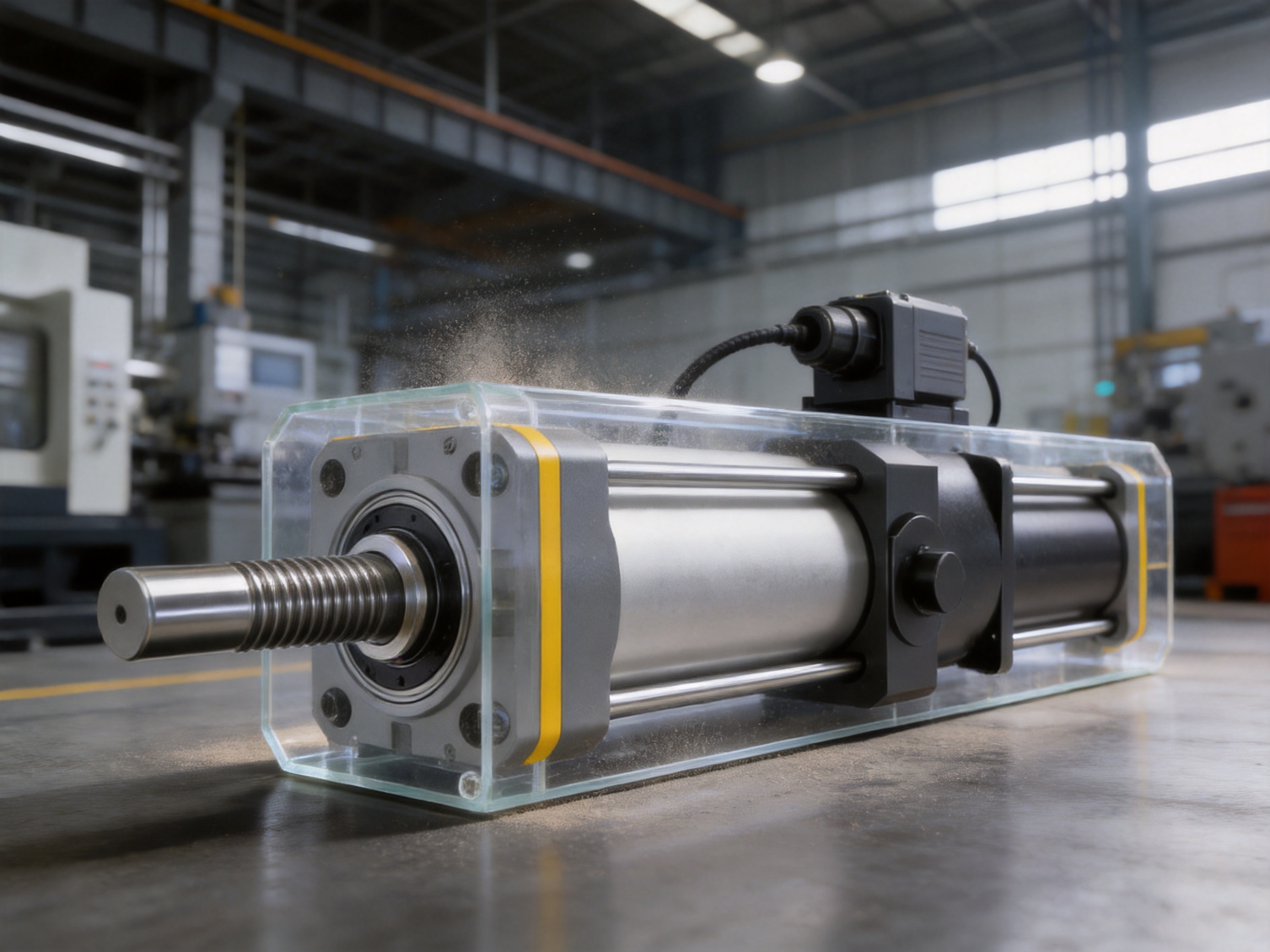
Industrial automation equipment may operate in locations where dust, moisture, oil mist, metal particles, or combustible materials are present. Even when a facility is not formally classified as a hazardous area, contamination can reduce insulation performance, corrode connectors, block cooling paths, and shorten the service life of electrical components.
The servo-driven explosion-proof electric cylinder adopts a protective structure intended to isolate internal electrical components from external dust and water vapor intrusion. The design helps reduce the possibility that contamination will create an internal short circuit or contribute to electrical sparking. The stated IP65 protection rating indicates a dust-tight enclosure and protection against water jets from limited directions under standardized testing conditions.
IP protection and explosion protection are related but not identical. An IP65 rating describes resistance to solid particles and water ingress. It does not by itself define suitability for a particular explosive gas or combustible-dust atmosphere. For hazardous-area projects, the user must confirm the required protection method, gas or dust group, temperature class, zone or division, surface-temperature limitations, cable-gland requirements, grounding, inspection procedures, and certification documentation. The complete actuator, motor, servo drive, cable system, and control cabinet must be evaluated as an integrated installation.
This distinction is important because a machine may have a sealed actuator but still contain non-compliant connectors, cable glands, switches, or drive equipment. Professional application support should therefore include an environmental and compliance review before an order is finalized.
Dust can accumulate on moving equipment and may enter through gaps, connector interfaces, or poorly protected cable routes. Moisture can cause oxidation, insulation degradation, and intermittent faults. A properly sealed actuator body, together with suitable cable routing and maintenance practices, helps reduce these risks.
The IP65 design is appropriate for many industrial environments involving airborne dust and occasional water spray. However, it should not automatically be used in submerged conditions, high-pressure washdown areas, corrosive chemical atmospheres, or locations with extreme temperature fluctuations without additional confirmation. Installation orientation and drainage also affect long-term performance.
In mining machinery, explosion-sensitive production lines, and other high-risk environments, the avoidance of unnecessary electrical exposure is a major design objective. A sealed and appropriately certified electric cylinder can reduce dependence on exposed electrical mechanisms at the point of motion. It may also simplify the machine layout by replacing separate hydraulic power units, hoses, valves, and pressure-control components.
Safety performance depends on correct system integration. Emergency stops, overtravel protection, mechanical load retention, braking, thermal protection, grounding, and safe torque-off functions should be designed into the overall machine. The cylinder is one component of a safety architecture and should not be considered a complete safety system by itself.
With a listed rated force of 400 kN, the TYSC270 is designed for applications that exceed the practical range of many compact linear modules. High thrust allows the actuator to perform demanding mechanical work while retaining programmable motion control. Potential tasks include heavy lifting, large-scale clamping, die movement, material forming, structural adjustment, positioning of mining equipment, and force-intensive production operations.
Electric actuation at this force level provides several benefits when compared with a conventional pneumatic solution. Pneumatic force varies with pressure and can be affected by compressibility, valve response, temperature, and air leakage. An electric cylinder can offer more direct control of position and speed, with better repeatability when the mechanical system is correctly designed.
Compared with hydraulic equipment, an electric cylinder can reduce the need for oil tanks, pumps, hoses, valves, and filtration systems. This can simplify maintenance and reduce the risk of hydraulic leakage. Electric systems may also offer improved cleanliness for precision manufacturing. However, the choice between electric and hydraulic actuation must consider duty cycle, shock loading, required force, environmental temperature, holding requirements, and the availability of appropriate servo drives and safety systems.
The rated force should not be confused with the permissible load in every operating condition. A vertical actuator must account for gravitational load, acceleration, deceleration, and the possibility of the load moving unexpectedly during a power interruption. A horizontal actuator must account for guide friction and external resistance. Off-center loading may introduce radial or bending forces that should be carried by external guides rather than by the actuator rod or screw.
For this reason, heavy-duty installations should use parallel guides, structural supports, mechanical stops, and properly designed load connections. The electric cylinder should primarily generate axial force unless the manufacturer specifically approves another loading arrangement.
The available stroke range of 1 to 3000 mm allows the product to serve both compact and extended travel applications. Long-stroke systems require careful consideration of buckling, alignment, rod deflection, screw critical speed, vibration, and machine-frame stiffness. The correct mounting arrangement becomes increasingly important as stroke length increases.
For long travel, the actuator may need external linear guides, intermediate supports, controlled acceleration, and position monitoring at multiple points. A technical review should establish whether the requested stroke and speed are compatible with the selected screw, motor, reduction ratio, and duty cycle.
The performance of a high-force electric cylinder depends not only on its general design but also on manufacturing accuracy, material consistency, assembly discipline, inspection procedures, and engineering support. Suzhou Tongyousheng Electronic Technology Co., Ltd. presents itself as a high-tech enterprise integrating research and development, production, and sales. Its product portfolio includes electric cylinders, linear motion modules, linear motor modules, servo presses, robotic seventh axes, and multi-degree-of-freedom motion platforms.
This broader product range is valuable because many automation projects require several coordinated motion components rather than a single actuator. Experience with linear modules, servo presses, motion platforms, and robotic axes can help the engineering team understand synchronization, load transfer, control integration, and machine-level requirements.
The company has an experienced research and development team and uses advanced design software to develop automation products. Engineering software can support three-dimensional mechanical design, tolerance analysis, motion simulation, structural evaluation, and component interference checks. These tools reduce design errors before parts reach production and make it easier to adapt mounting structures, rod-end connections, flange arrangements, and motor interfaces.
Research and development capability is particularly important for explosion-resistant and high-force products. Sealing, heat dissipation, structural stiffness, cable routing, fastener selection, and maintenance access must be considered together. A small change to the housing or mounting structure may influence thermal behavior, vibration, or protection performance. An experienced engineering team can evaluate these relationships more effectively than a supplier that only assembles standard catalog components.
High-precision CNC machining centers support the production of actuator housings, mounting plates, flanges, bearing seats, screw-support components, and customized connection parts. Accurate machining is essential for maintaining coaxiality between the motor, transmission, bearings, and screw. Misalignment can increase friction, produce vibration, accelerate wear, and reduce positioning repeatability.
CNC production also improves repeatability between batches. When a customer orders multiple actuators for the same production line, consistent dimensions and mounting interfaces can simplify installation and replacement. It also helps the manufacturer produce customized options such as bottom threaded holes, front flanges, tail flanges, projection pins, pin holes, and special load interfaces without abandoning process control.
The company reports a portfolio of core patents and a history of developing linear modules, electric cylinders, servo presses, motion platforms, control algorithms, and multi-degree-of-freedom linkage systems. Such technical accumulation can contribute to product differentiation in areas that are not immediately visible from a basic specification sheet.
Examples include improved transmission layouts, more practical sealing arrangements, simplified maintenance procedures, optimized control algorithms, and better coordination between mechanical and electrical subsystems. For customers, the benefit is the availability of a supplier capable of discussing the complete application rather than only quoting a motor and screw combination.
The company collaborates with state-owned enterprises, defense technology institutions, and universities to promote industry, academia, and research integration. Cooperation of this type can expose product development teams to demanding requirements for reliability, dynamic response, structural precision, and system integration. It may also support the development of specialized control technologies and motion-simulation solutions.
For commercial automation users, this experience can be useful when a project includes unusual movement profiles, custom load interfaces, high repeatability, or coordinated multi-axis operation. Instead of forcing a standard actuator into an unsuitable application, the supplier can participate in engineering evaluation and customization.
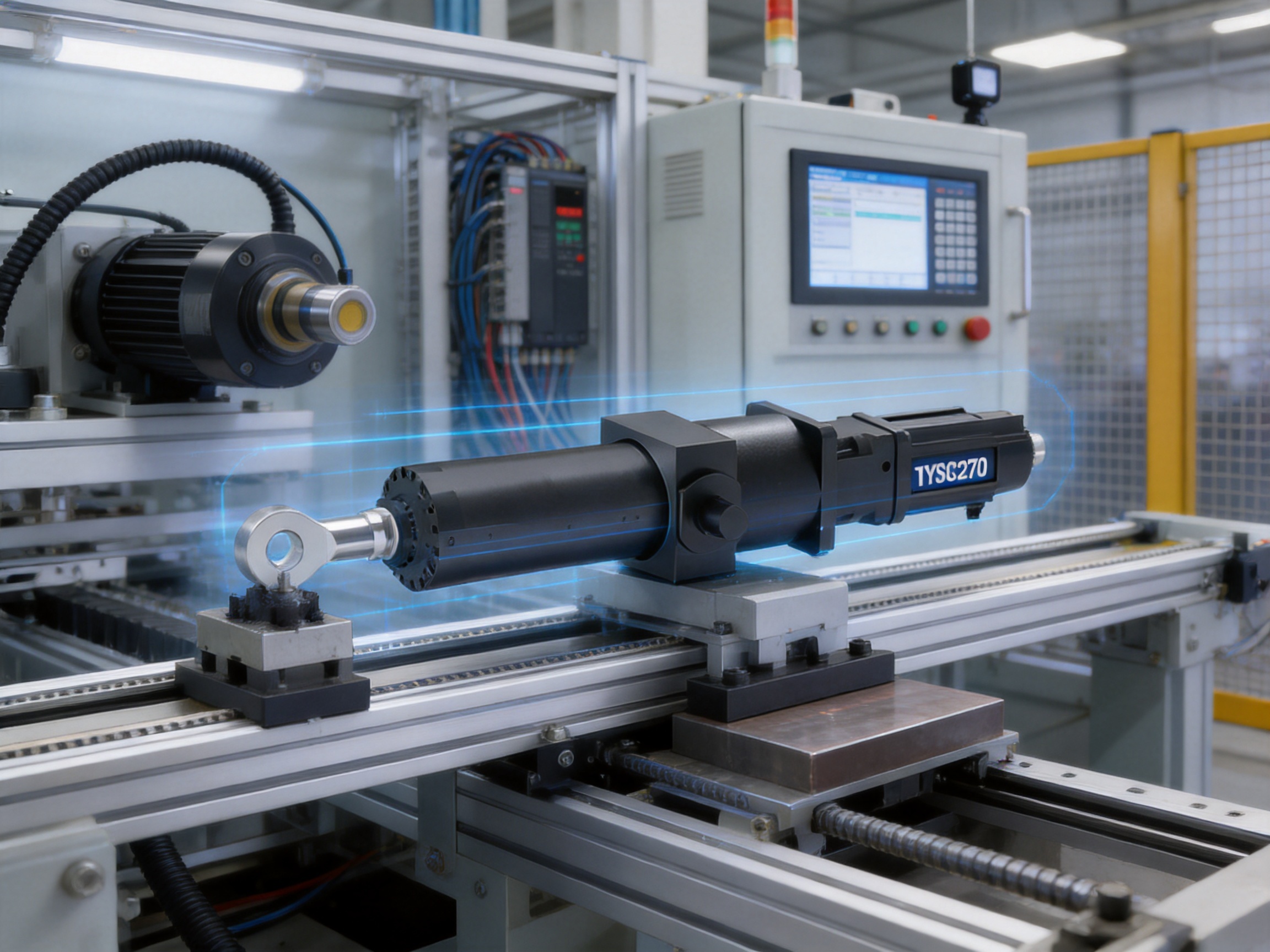
Many electric cylinders on the market provide basic motorized extension and retraction. The main advantages of the TYSC270 concept arise from the combination of high thrust, servo control, environmental protection, configuration flexibility, and manufacturer-level engineering support.
A generic actuator may offer only simple start, stop, forward, and reverse commands. The servo-driven model is intended for position-controlled operation with adjustable speed and torque. This makes it more suitable for processes that require intermediate stops, controlled approach speeds, synchronized axes, and repeatable production cycles.
Servo control can compensate for changes in load and maintain more consistent movement. When load resistance increases, the controller can adjust motor output within the limits of the selected system. This is advantageous in pressing, forming, lifting, and clamping applications where the force profile changes during each cycle.
The available motor powers, reduction ratios, stroke range, connection options, mounting methods, anti-rotation choices, and limit-switch options allow the cylinder to be adapted to different machines. A generic product may require the user to redesign the machine around a fixed body shape or fixed connection pattern. A configurable platform reduces this limitation.
The IP65 protection rating and protective structure provide a stronger basis for operation in dusty or moisture-prone environments than an open or lightly enclosed actuator. For hazardous-area applications, the relevant certification and installation requirements must still be confirmed, but the product concept is clearly aimed at environments where ordinary exposed electric mechanisms may be unsuitable.
The product can be connected with PLCs, touch screens, and other control equipment to support intelligent operation. This permits status display, recipe management, alarm handling, cycle counting, remote parameter adjustment, and production-data collection when the selected servo drive and control architecture provide the required interfaces.
A supplier with experience in servo presses, linear modules, robotic axes, and motion platforms can often provide more useful assistance during machine development. The customer may receive support with actuator sizing, mounting design, motor selection, control logic, synchronized motion, and commissioning. This can reduce integration risk and shorten the path from prototype to stable production.
Precision instrument production often requires clean, repeatable, low-vibration movement. The cylinder can be used for positioning fixtures, moving inspection mechanisms, adjusting test equipment, loading components, and controlling tooling. Servo control is valuable when the operation includes several sequential positions or requires a slow final approach.
In such applications, the actuator should be selected with attention to contamination control, surface finish, noise, thermal drift, and the cleanliness requirements of the product. External guides may be necessary to ensure that sensitive equipment is not exposed to bending loads.
Some production lines process combustible powders, volatile materials, coatings, solvents, or other substances that require careful electrical design. A properly certified and installed explosion-protected electric cylinder can provide programmable linear movement while helping reduce exposure of internal electrical components to the external environment.
The machine builder must match the actuator to the facility classification and confirm all associated components. Control cabinets, cable entries, connectors, sensors, emergency circuits, and maintenance procedures should be reviewed as part of the same safety assessment.
Mining machinery may encounter dust, vibration, shock, moisture, and large mechanical loads. A 400 kN electric cylinder can be considered for positioning, lifting, tensioning, gate movement, equipment adjustment, and other heavy-duty functions. The IP65 enclosure can be helpful in dusty operating areas, while the servo system can support controlled motion instead of abrupt mechanical movement.
Mining applications require special attention to impact loads, corrosion, cable protection, ambient temperature, service access, and emergency load holding. The cylinder should be installed with adequate structural support and protection from direct rock impact or uncontrolled side loads.
The actuator can serve as a force-generating element in pressing and forming equipment when the selected configuration meets the required force, speed, stroke, and duty cycle. Servo pressing can provide controlled approach, pressing, dwell, return, and quality-monitoring stages. This is useful for assembly, joining, stamping-related operations, material forming, and controlled compression.
For a press application, the machine frame must be sufficiently rigid to prevent deflection from affecting accuracy. The tooling should be aligned with the actuator axis, and the control system should include overload protection, emergency stopping, and safe access management.
As part of a robotic cell or linear transfer system, the cylinder can provide a high-force axis for clamping, lifting, fixture adjustment, or tool positioning. Its compatibility with PLC and touch-screen control supports integration into a larger automation architecture. When several axes operate together, the engineer must evaluate synchronization delay, communication protocol, homing strategy, and fault recovery.
Motion simulation systems often require repeatable displacement, controlled speed, and accurate return to a reference point. The actuator can be applied to test stands, mechanical loading systems, platform adjustment systems, and controlled movement fixtures. Where multiple cylinders are used together, matched performance, coordinated control, and structural calibration are important.
Machine installation can be simplified when the actuator is available with multiple mounting and rod-end configurations. The listed mounting methods include a bottom threaded hole, base plate, front flange, tail flange, tail projection pin, tail pin hole, and customized arrangements. These options allow the cylinder to be mounted to fixed frames, hinged supports, moving platforms, or custom brackets.
Load connection options include external thread, internal thread, rod-end bearing, double pin holes at the rod end, and customized interfaces. The correct connection method depends on whether the load is rigidly fixed, pivoting, guided, or subject to slight angular movement. A rod-end bearing or pin connection may be preferable where angular compensation is required, while a threaded connection may be suitable for compact rigid tooling.
Although connection flexibility is an advantage, the selected joint must not be used to compensate for poor machine alignment. The actuator axis, guide rails, load center, and mounting surfaces should be aligned during installation. Excessive angular misalignment can produce side loading, uneven wear, increased motor torque, and reduced repeatability.
Anti-rotation is available as a yes-or-no option. This function can help prevent the rod or connected tool from turning during extension and retraction. If the external machine structure already controls rotation, a non-anti-rotation configuration may be appropriate. If tool orientation is important, an anti-rotation solution or external guide should be included.
The cylinder can be integrated with PLCs, touch screens, and other equipment for intelligent control. In a typical system, the PLC sends motion commands to the servo drive, while the drive controls the motor and receives feedback. The touch screen provides the operator interface for selecting recipes, setting positions, changing speeds, viewing alarms, and monitoring production status.
A basic control sequence may include homing, approach, work movement, force or position confirmation, dwell, return, and fault reset. More advanced systems may coordinate the cylinder with sensors, robots, vision systems, indexing tables, and other servo axes.
Before integration, the machine builder should confirm the available communication protocol, command format, input and output requirements, encoder feedback, limit-switch wiring, emergency-stop behavior, and diagnostic information. The control program should also define what happens during power loss, communication interruption, overtravel, overload, excessive temperature, or feedback error.
Accurate positioning depends on a stable reference. A homing routine may use a limit switch, encoder reference, mechanical datum, or software-defined position. If a limit switch is selected, its location and repeatability should be considered during machine design. The homing speed should be low enough to prevent impact, especially for high-force or long-stroke configurations.
A multi-stage speed profile can improve both cycle time and product quality. The actuator may move rapidly through an empty portion of the stroke, decelerate before contacting the workpiece, and complete the final movement at a controlled speed. This approach reduces impact and provides more stable positioning than operating at one constant speed throughout the entire cycle.
When connected to a digital control system, the actuator can participate in production monitoring. Position, speed, cycle time, alarm state, and maintenance intervals may be recorded. In pressing applications, force and position data can support quality analysis, provided the system includes appropriate force measurement and data-processing functions.
Energy efficiency is a major reason manufacturers consider electric actuation. Pneumatic systems often require compressors, dryers, storage tanks, valves, and distribution lines. Leakage can cause continuous energy loss even when cylinders are not moving. Hydraulic systems may also consume energy while maintaining pressure and require pumps, filters, and cooling equipment.
A servo-driven electric cylinder uses power primarily in response to commanded movement and load demand. Regenerative energy may be managed by the servo drive depending on the system design. The ability to adjust speed and torque according to changing load conditions can reduce unnecessary energy consumption compared with an actuator that always operates at maximum output.
Energy savings should be evaluated over the complete duty cycle. Factors include movement distance, acceleration, load, cycle frequency, dwell time, holding strategy, motor efficiency, reduction ratio, and whether a brake or counterbalance is needed. Correct sizing is essential. An oversized motor may increase purchase cost and energy use, while an undersized motor may overheat or fail to complete the cycle reliably.
Operating economics also include maintenance, downtime, spare parts, installation labor, and machine productivity. A stable servo-controlled movement profile can reduce tooling damage and product rejection. The elimination of hydraulic oil leakage or compressed-air leakage may further improve plant cleanliness and operating efficiency.
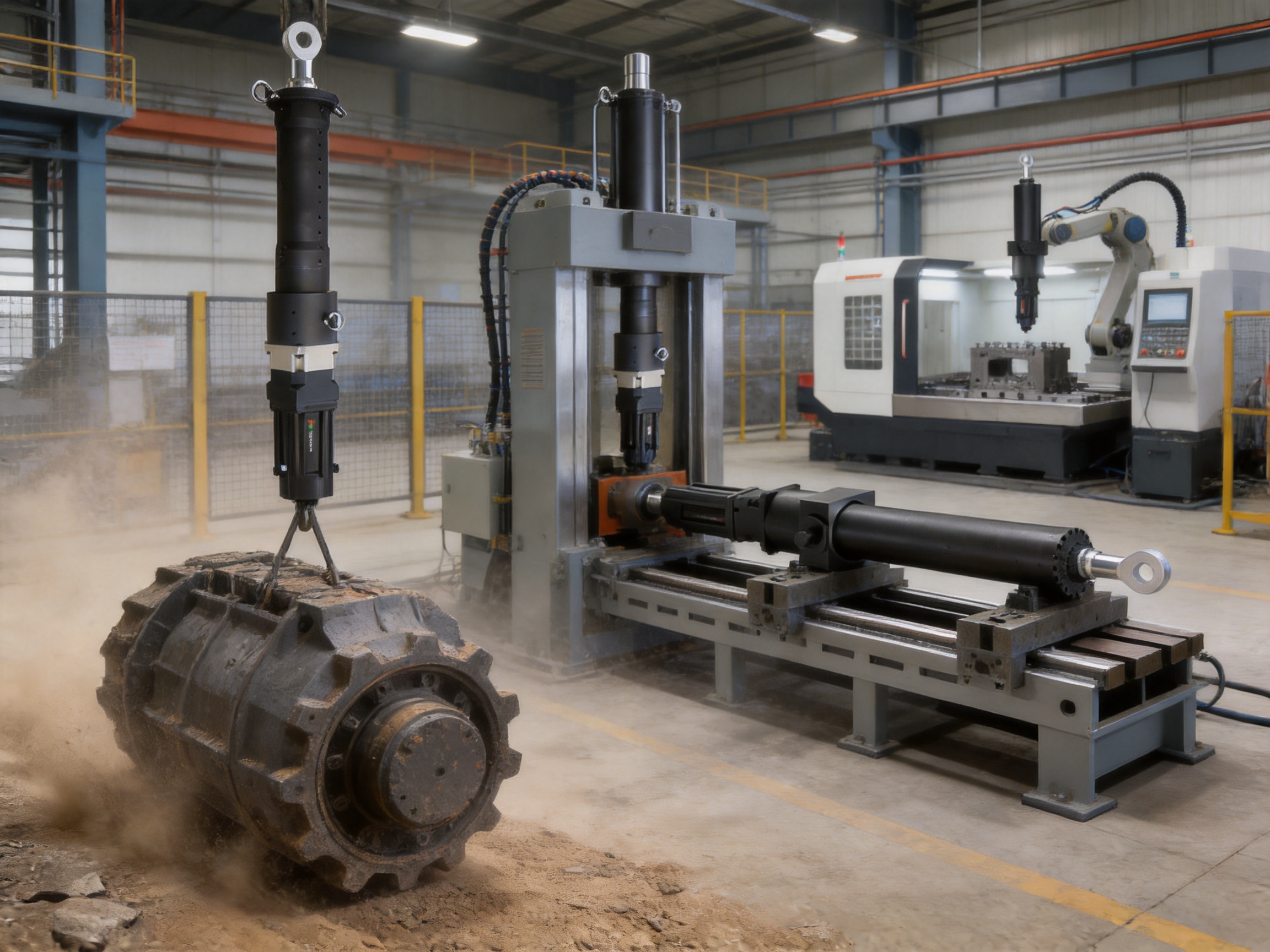
Reliable electric cylinders require consistent control at every stage of manufacturing. The process begins with engineering review and material selection, followed by machining, component inspection, assembly, electrical integration, functional testing, and final documentation.
Before production, the mechanical and electrical design should be reviewed against the customer's load, stroke, speed, environment, duty cycle, and interface requirements. This stage is where potential problems such as insufficient mounting stiffness, excessive side load, inadequate braking, difficult cable routing, or unsuitable motor power can be identified.
Precision-machined parts should be inspected for key dimensions, flatness, coaxiality, thread quality, bearing-seat accuracy, and mounting-hole position. Consistent machining helps maintain alignment between transmission components and ensures that the actuator can be installed without forcing the housing into an incorrect position.
Assembly quality affects friction, backlash, sealing, noise, and service life. Bearings, screw assemblies, seals, couplings, and fasteners must be installed according to controlled procedures. Lubrication type and quantity should be appropriate for the screw, speed, temperature, and duty cycle. Electrical connections should be checked for correct routing, insulation, grounding, and strain relief.
Functional testing may include no-load movement, load testing, speed verification, limit-switch operation, anti-rotation verification, position repeatability, abnormal-noise inspection, temperature monitoring, and enclosure inspection. For customized or hazardous-area products, the testing and documentation should correspond to the applicable technical and certification requirements.
Testing does not eliminate the need for commissioning at the customer's site. The final machine structure, guide system, controller tuning, load behavior, and environmental conditions can influence performance. Site acceptance should verify actual stroke, speed, position, repeatability, cycle time, safety functions, and communication with the host control system.
Preventive maintenance helps preserve positioning accuracy and extend service life. Operators should inspect the actuator body, rod, seals, mounting bolts, cable connections, and external guides at regular intervals. Dust, metal particles, oil, or chemical residue should be removed using cleaning methods compatible with the enclosure and sealing materials.
The screw and bearing system should be lubricated according to the manufacturer's maintenance instructions. Over-lubrication can attract contaminants, while insufficient lubrication can increase friction and wear. The maintenance interval should be adjusted for stroke length, cycle frequency, load, speed, temperature, and environmental contamination.
Limit switches and anti-rotation components should be checked for secure operation. If the actuator is used vertically, the machine should be evaluated for safe load retention during power loss. A brake, mechanical locking device, counterbalance, or other load-holding method may be required depending on the application.
Changes in noise, vibration, temperature, backlash, current consumption, or positioning repeatability may indicate developing problems. Early investigation can prevent damage to the screw, bearings, motor, or machine tooling. Maintenance records should include operating hours, cycle count, lubrication, alarms, replacement parts, and measured performance.
Selection should begin with the motion requirements rather than the actuator model alone. The customer should define the required force, stroke, travel speed, acceleration, cycle time, duty cycle, load direction, mounting arrangement, environmental conditions, precision, and control method.
For force selection, calculate the continuous working force and peak force separately. Include gravity for vertical movement, friction for guided systems, acceleration force for dynamic movement, and any process force generated by pressing or forming. A suitable safety margin should be applied without excessively oversizing the actuator.
For stroke selection, specify the actual working travel and reserve sufficient margin for homing, mechanical stops, tooling clearance, and maintenance access. Long strokes may require additional guide support and a review of screw speed and structural stability.
For speed selection, confirm whether the listed rated speed refers to screw speed, motor speed, or linear speed in the selected configuration. The final linear speed is influenced by screw lead and reduction ratio. A technical quotation should state the complete calculation so that the machine builder can verify cycle time.
For motor selection, compare motor power and torque with the required acceleration, load, and duty cycle. The servo drive must be compatible with the motor, feedback device, braking resistor or regenerative system, and control protocol. If the cylinder is used for frequent pressing, repeated reversals, or vertical lifting, thermal and braking calculations are especially important.
For environmental selection, provide details about dust, humidity, water spray, chemicals, temperature, vibration, washdown, and hazardous-area classification. IP65 may be appropriate for many dusty or wet industrial environments, but the project team must confirm whether additional explosion-protection certification is required.
Pneumatic cylinders are relatively simple and can provide fast movement at moderate cost. However, they generally require compressed-air infrastructure and may offer limited control over position, force, and speed. Air compressibility can also make precise stopping more difficult, particularly under changing loads.
The servo-driven electric cylinder offers programmable positioning, adjustable speed, more direct torque control, and data connectivity. It may have a higher initial purchase price than a basic pneumatic cylinder, but the total system cost can become favorable when the project requires multiple positions, high repeatability, energy monitoring, and reduced compressed-air consumption.
Hydraulic cylinders are well established for extremely high force and harsh industrial work. They can tolerate heavy loads and provide high power density. On the other hand, hydraulic systems require pumps, valves, reservoirs, hoses, filtration, and leak management. Position control may require additional sensors and sophisticated valves.
The TYSC270 electric cylinder is intended to bring high force together with servo-based control in a more integrated package. It can reduce the number of hydraulic components and simplify machine cleanliness. Hydraulic systems may still be preferable for certain continuous, shock-intensive, or very high-power applications, so the comparison should be based on the full operating profile.
A standard screw actuator may provide adequate linear motion for simple equipment, but it may not include the same level of environmental protection, motor options, reduction choices, connection flexibility, or application engineering. The servo-driven explosion-proof model is positioned for more demanding systems where precision, safety, force, and integration must be considered simultaneously.
Customization is often necessary when the actuator must fit an existing machine or perform a specialized motion cycle. The listed product options include different mounting types, load connection modes, anti-rotation selection, limit switches, motor power, reduction ratio, and stroke. Additional customization may involve mounting dimensions, connector orientation, cable length, rod-end design, sensor arrangement, surface treatment, control integration, and special environmental requirements.
A strong customization process begins with complete application information. Drawings should show the available installation envelope, load center, guide arrangement, pivot locations, stroke limits, and machine reference points. The customer should also provide cycle diagrams and details about peak and continuous loads.
For a multi-actuator system, all cylinders should be evaluated for synchronization and load sharing. Small differences in friction, screw efficiency, or mounting alignment can cause one actuator to carry more load than another. Mechanical equalization, individual feedback, or coordinated servo control may be required.
The company’s experience with servo presses, linear motion modules, robotic axes, and motion platforms supports a system-level approach to customization. This can be especially useful when the electric cylinder is only one part of a larger intelligent manufacturing solution.
Before installation, inspect the actuator for shipping damage and verify the model, stroke, mounting dimensions, motor configuration, accessories, and documentation. Do not move the rod by applying excessive external force or by turning components in a manner that could damage the transmission.
The mounting surface should be clean, rigid, and accurately aligned. Fasteners should be tightened according to the appropriate engineering standard. The load should be connected without introducing bending or side force. External guides should be adjusted so that the actuator moves freely through the complete stroke.
Electrical installation should follow the servo-drive instructions and applicable industrial safety regulations. Correct grounding, shielding, cable separation, connector protection, and emergency-stop wiring are essential. In hazardous areas, cable glands and electrical accessories must be compatible with the required protection method.
During commissioning, begin with low speed and reduced acceleration. Confirm motor direction, homing behavior, limit-switch response, encoder feedback, emergency stop, and travel limits before applying the full load. Gradually increase speed and force while monitoring current, temperature, vibration, and positioning behavior.
Servo tuning should be performed after the actuator is connected to the actual machine load. A tuning value that works in a no-load test may be unsuitable after tooling, guides, and workpieces are installed. The goal is a stable response without excessive overshoot, oscillation, or audible vibration.
Industrial sustainability involves more than reducing electricity consumption. It also includes extending equipment service life, reducing rejected products, minimizing leakage, lowering maintenance waste, and improving the efficiency of production resources.
A servo-driven electric cylinder can support these objectives through controlled movement, repeatable positioning, and integration with manufacturing data systems. Accurate motion may reduce the number of defective assemblies. Variable speed operation can reduce unnecessary energy use. Digital alarms and condition monitoring can help schedule maintenance before a failure interrupts production.
The product also fits the broader development of Industry 4.0. When integrated with PLCs, touch screens, supervisory systems, and industrial networks, the cylinder can become part of a connected production cell. Motion parameters, cycle results, and alarm information can be used for process optimization and traceability.
These benefits depend on thoughtful system design. Digital connectivity alone does not guarantee efficiency. The mechanical structure, control logic, sensor arrangement, operator interface, and maintenance program must work together.
A servo-driven electric cylinder is a linear actuator that uses a motor, screw transmission, servo drive, and feedback system to produce controlled extension and retraction. Unlike a basic actuator, it can regulate position, speed, and torque through programmed motion commands.
The listed rated force is 400 kN. Actual allowable force depends on the selected motor, reduction ratio, speed, duty cycle, screw configuration, installation direction, and load characteristics. A project-specific engineering calculation should confirm the final operating range.
The listed screw stroke range is 1 to 3000 mm. The final stroke should be selected according to the required working travel, safety margin, homing space, mechanical stops, and long-stroke stability requirements.
The product description states positioning accuracy of ±0.01 mm and the technical information lists repeatability of ±0.02 mm. Actual results depend on the servo system, screw accuracy, backlash, mounting rigidity, temperature, guide alignment, load, tuning, and measurement method.
No. IP65 describes protection against dust and low-pressure water jets under defined test conditions. Explosion-proof or explosion-protection suitability requires separate evaluation and certification according to the hazardous-area classification and applicable regulations.
It may be suitable for selected mining applications involving heavy loads, dust, and controlled linear movement. The complete design must account for shock, vibration, moisture, temperature, impact protection, cable routing, load holding, and hazardous-area requirements.
Yes. The product is intended to connect with PLCs, touch screens, and other control equipment. The exact communication method, input and output signals, servo-drive interface, and feedback arrangement should be confirmed for each project.
The listed motor power options are 3 kW, 4 kW, 5.5 kW, 7.5 kW, and 11 kW. The correct motor depends on force, speed, acceleration, duty cycle, and thermal requirements.
Reduction ratios allow the actuator to balance output torque and movement speed. Higher reduction may support greater torque and mechanical advantage, while lower reduction may support faster motion. The correct choice requires a complete load and cycle calculation.
External guides are often recommended, especially for long-stroke, vertical, or off-center loads. They help support the load and protect the actuator from radial force and bending moments.
Listed options include a bottom threaded hole, base plate, front flange, tail flange, tail projection pin, tail pin hole, and customized mounting arrangements. The appropriate option depends on the machine frame and movement geometry.
Options include external thread, internal thread, rod-end bearing, double pin holes at the rod end, and customized connections. The choice should reflect whether the load is rigidly fixed, pivoting, or guided.
Servo control allows the actuator to adjust speed and torque to the actual process requirement. Electric actuation can also reduce compressed-air leakage and eliminate some hydraulic-system components. Energy performance depends on the selected motor, duty cycle, load, and control strategy.
Confirm force, stroke, speed, acceleration, duty cycle, mounting dimensions, load connection, motor power, reduction ratio, anti-rotation requirement, limit switches, environmental conditions, protection classification, control interface, braking, and safety requirements.
The servo-driven explosion-proof electric cylinder is designed for industrial applications that demand a combination of high thrust, accurate positioning, stable motion, environmental protection, and intelligent control. The TYSC270 model offers a listed 400 kN rated force, a screw diameter of 100 mm, a 25 mm screw lead, stroke options up to 3000 mm, multiple reduction ratios, several motor-power choices, optional anti-rotation and limit-switch functions, flexible mounting interfaces, and an IP65 protection rating.
Its primary advantage over ordinary electric cylinders is not one isolated specification but the integration of mechanical strength, servo control, configurable transmission, protective structure, and automation compatibility. This combination makes it a candidate for precision instrument manufacturing, explosion-sensitive production lines, mining machinery, servo pressing, heavy-duty positioning, robotic equipment, and motion-simulation systems.
The manufacturing capabilities behind the product are equally important. Research and development expertise, advanced design software, precision CNC machining centers, core patents, and experience across electric cylinders, linear modules, servo presses, robotic axes, and multi-degree-of-freedom platforms provide a foundation for both standard products and customized solutions. These capabilities can help customers address the complete engineering problem, from load calculation and mounting design to control integration and commissioning.
For demanding projects, buyers should evaluate the entire actuator system rather than relying on a catalog value alone. Correct sizing, external guidance, environmental assessment, hazardous-area compliance, servo tuning, safety design, and preventive maintenance all contribute to successful operation. When these factors are properly addressed, the servo-driven explosion-proof electric cylinder can provide a reliable and energy-conscious alternative to conventional pneumatic or hydraulic movement systems while supporting the precision and connectivity expected in modern intelligent manufacturing.
1. Product information and technical specifications for the TYSC270 servo-driven explosion-proof electric cylinder.
2. Industrial automation principles for servo motor control, feedback positioning, and motion-profile design.
3. General enclosure protection principles for IP-rated industrial equipment.
4. Engineering practices for screw-driven linear actuators, load calculation, alignment, lubrication, and service life.
5. Industrial machinery safety principles covering emergency stops, limit protection, load retention, grounding, and commissioning.
6. General hazardous-area engineering practices for explosion-protection classification, cable entry, electrical integration, and maintenance.
7. Industry 4.0 implementation concepts for PLC integration, production monitoring, predictive maintenance, and intelligent manufacturing.
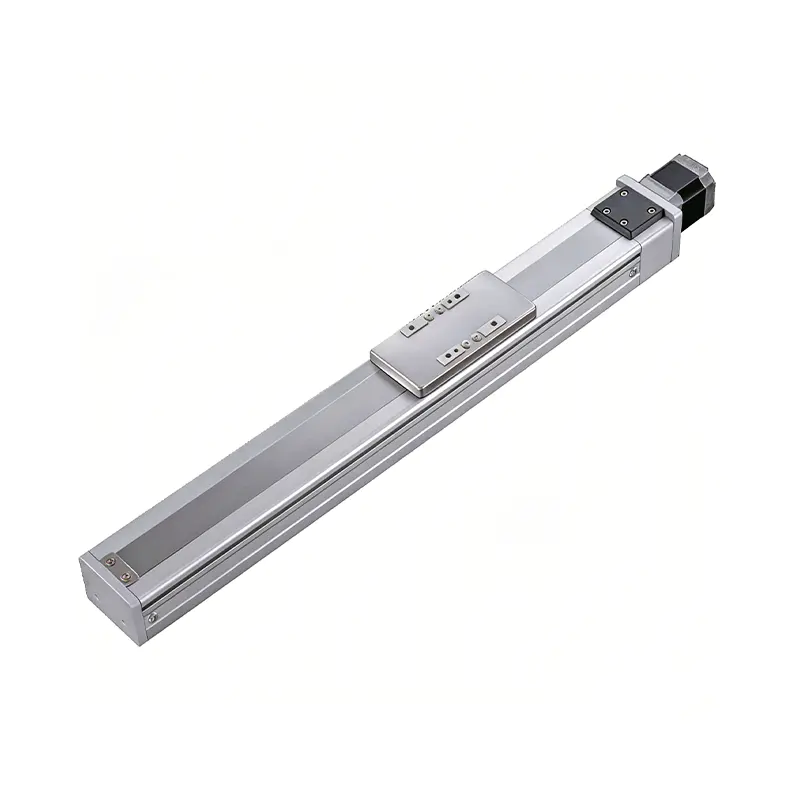 0.01mm High Precision Ball Screw Driven Rail-Embedded Linear Module
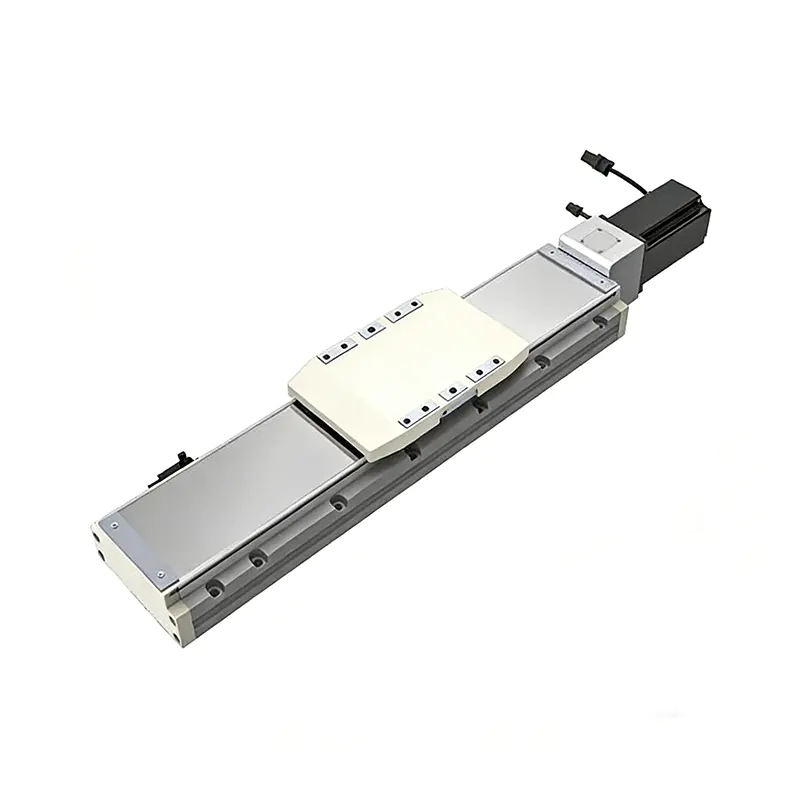 Heavy Load Ball Screw Driven Rail-Embedded Linear Module
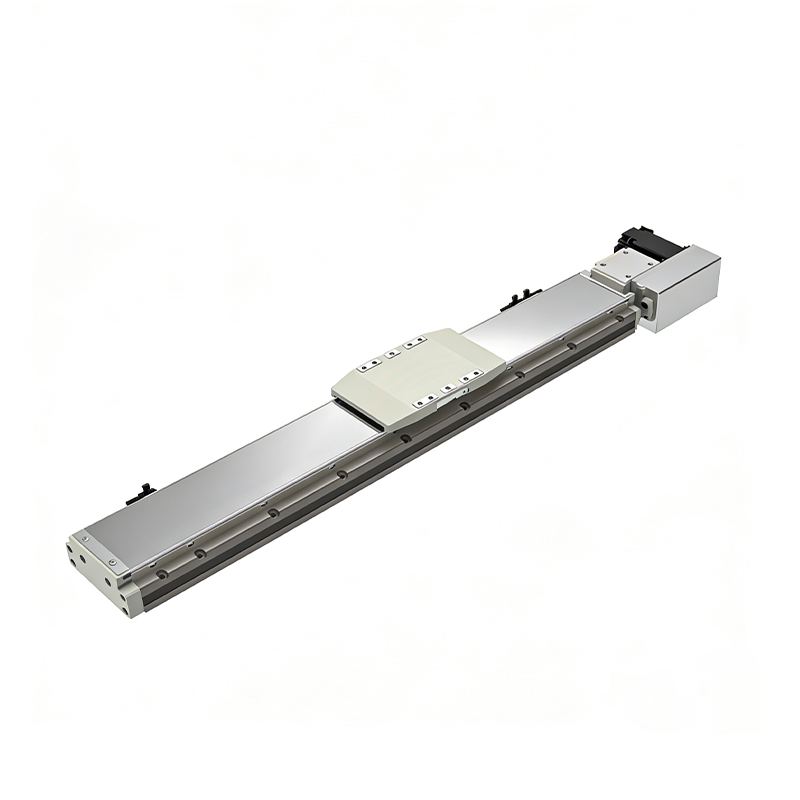 110KG Load Long Stroke Rail-Embedded Linear Module
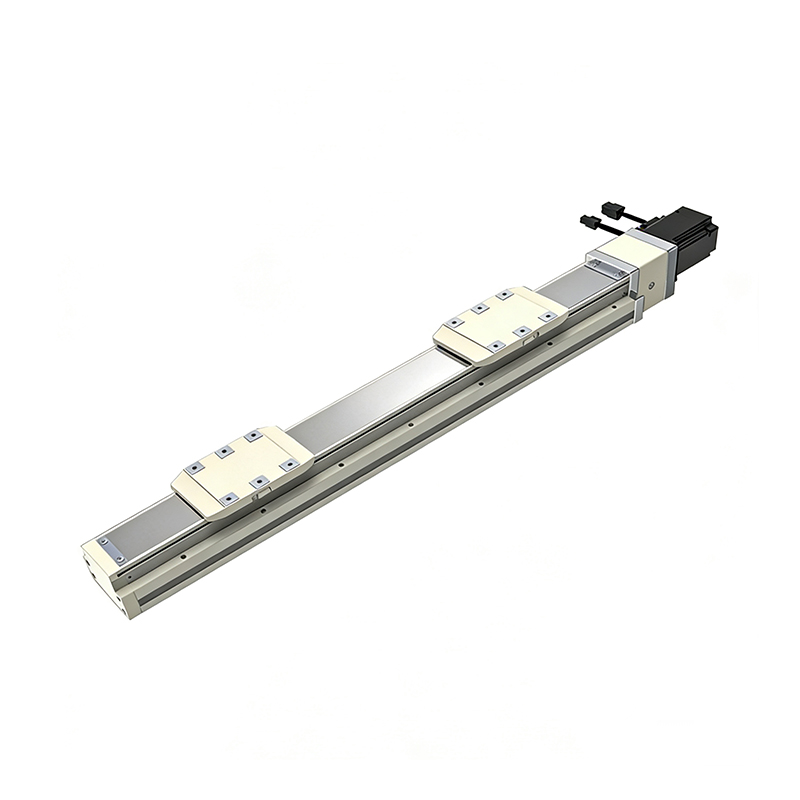 Dual-Slider High Precision Rail-Embedded Linear Module
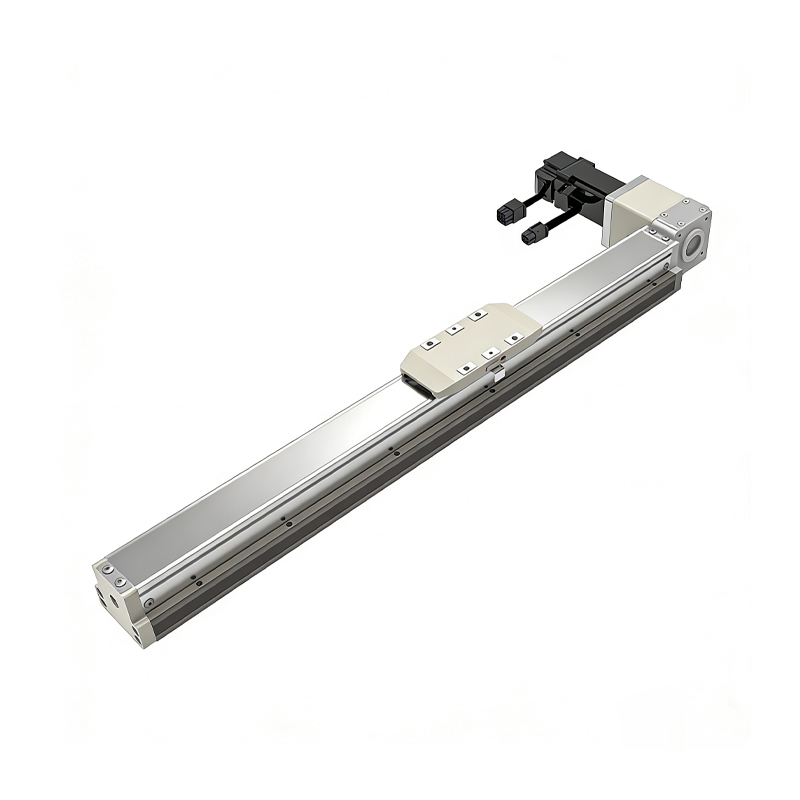 Belt Driven Dust-Proof Rail-Embedded Linear Module
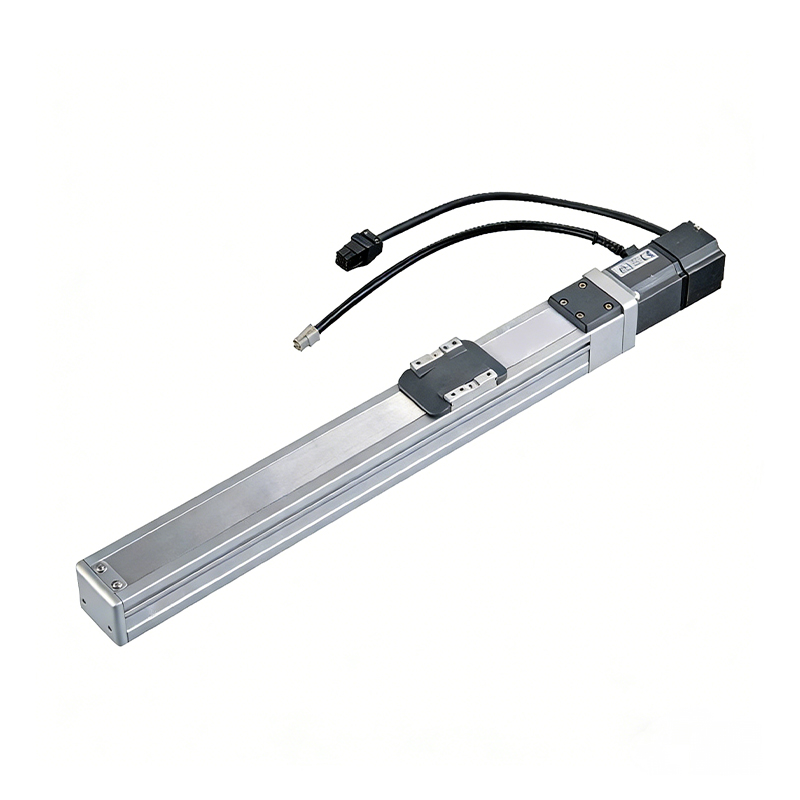 0.01mm High Precision Light Load Ball Screw Linear Module
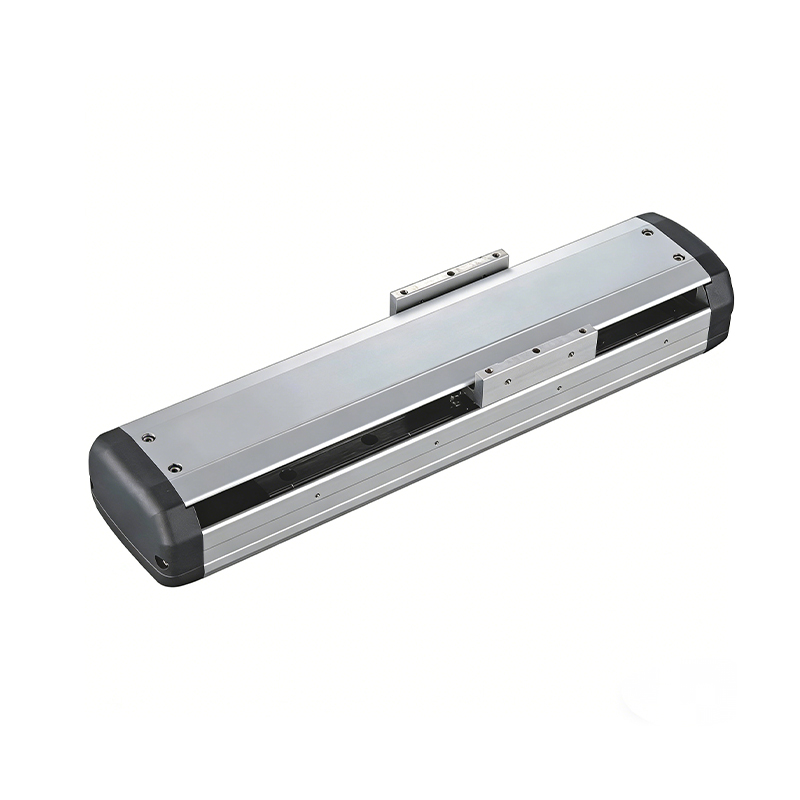 Ball Screw Linear Module with Built-in Sensor
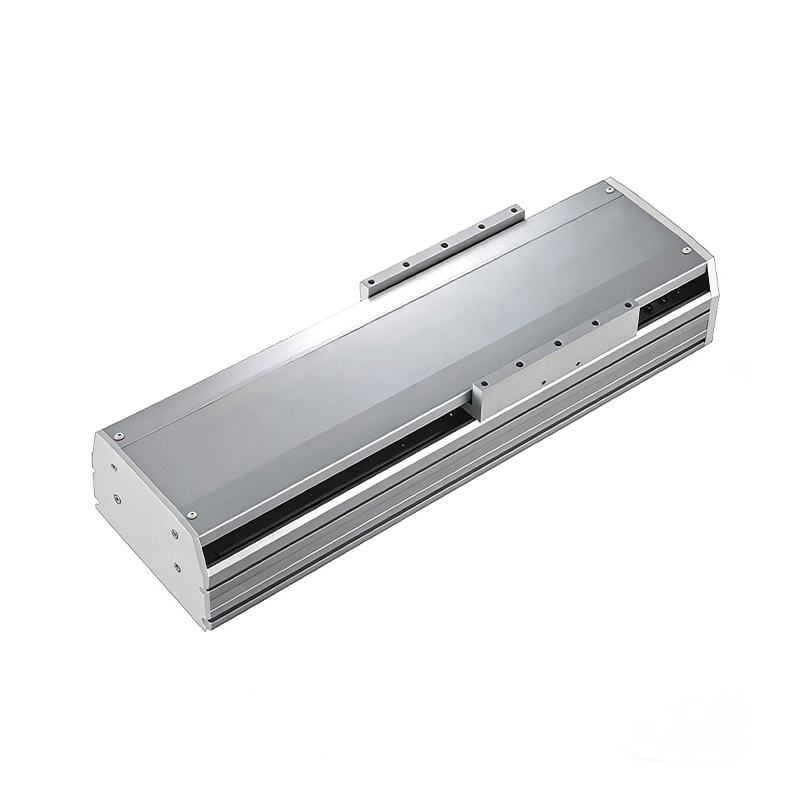 2000mm Long Stroke Ball Screw Linear Module
This 2000mm Long Stroke Ball Screw Linear Module is customized for large-range linear movement automation tasks, support...
READ MOREThis 2000mm Long Stroke Ball Screw Linear Module is customized for large-range linear movement automation tasks, support...
READ MOREThis 2000mm Long Stroke Ball Screw Linear Module is customized for large-range linear movement automation tasks, support...
READ MOREThis 2000mm Long Stroke Ball Screw Linear Module is customized for large-range linear movement automation tasks, support...
READ MORE
If you are interested in our products, please leave us a message. We look forward to providing you with
professional services!
Innovation and transcendence make factory intelligent manufacturing efficient and convenient!
+86 186 2508 0683
19962977901
sales@sz-tys.com
Building 5, Suzhou Mudu International Science and Technology Innovation Park, Jinfeng South Road, Suzhou City, Jiangsu Province, China
