


 English
 Français
 русский
 عربى
عربى Español
 Deutsch
Tel
+86 186 2508 0683

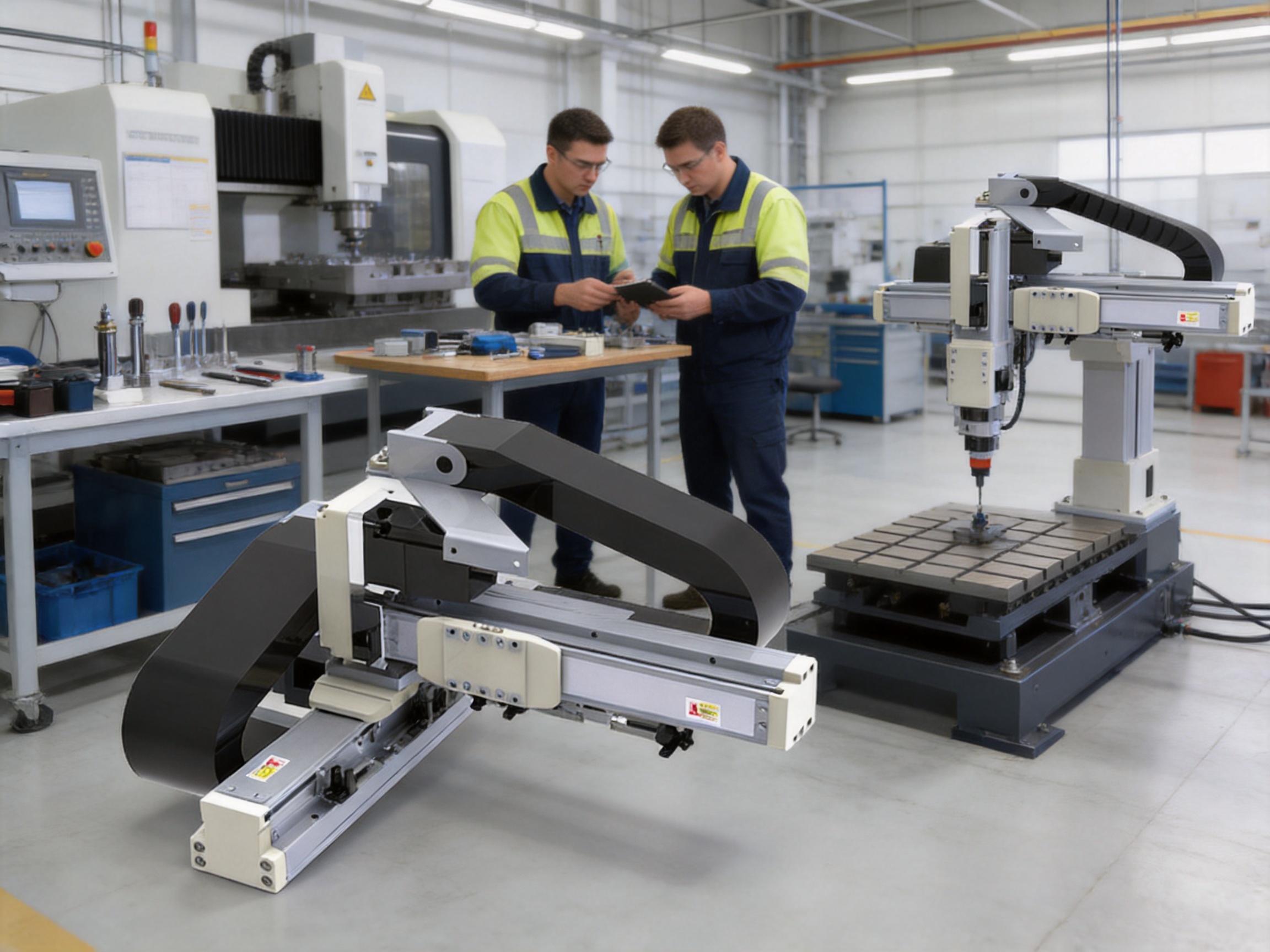
Modern manufacturing depends on motion systems that can move products, tools, fixtures, and inspection devices accurately, repeatedly, and efficiently. As production lines become more automated, manufacturers need equipment that combines mechanical stability, flexible installation, responsive control, and dependable long-term operation. The Heavy-Duty 3-Axis Linear Gantry Cartesian Robot is designed for this purpose. Based on the XYH430-A platform, this Cartesian robot uses a dual linear module structure to support coordinated movement across three axes while maintaining a compact and practical installation profile.
Unlike general-purpose robotic arms, a Cartesian gantry robot performs linear movement along clearly defined axes. This configuration makes the equipment especially suitable for applications that require predictable paths, repeatable positioning, straightforward programming, and efficient use of factory space. The robot can be integrated into handling systems, precision assembly stations, sorting equipment, testing lines, and other automated production processes.
The product is developed and manufactured by Suzhou Tongyousheng Electronic Technology Co., Ltd., a high-tech enterprise specializing in electric cylinders, linear motion modules, linear motor modules, servo press machines, robotic seventh axes, and multi-degree-of-freedom motion platforms. The company combines mechanical design, electrical control, precision machining, software development, assembly, and application engineering to provide integrated motion solutions for intelligent manufacturing.
This article explains the structure, operating advantages, manufacturing strengths, application value, integration considerations, and selection criteria associated with the Heavy-Duty 3-Axis Linear Gantry Cartesian Robot. It also compares the practical benefits of a dual-linear-module Cartesian structure with other common automation architectures.
A Cartesian robot is an industrial motion system that uses linear axes arranged along a rectangular coordinate system. The three primary directions are commonly identified as the X axis, Y axis, and Z axis. Depending on the application, the system may move a workpiece, a gripper, a camera, a dispensing tool, a press head, or another process device.
The XYH430-A adopts a dual linear module structure. This design is important because two parallel or coordinated linear modules can improve the support and stability of the moving structure. When a gantry spans a working area, the load may not always be centered. A dual-module configuration helps distribute the load and can reduce unwanted torsion or deflection during motion.
The robot is intended for automatic handling, precision assembly, sorting, testing, and similar processes. These applications often require consistent movement rather than complex human-like articulation. A Cartesian robot can therefore offer a more direct mechanical solution. Its working path is easy to understand, its travel directions are visually clear, and its control logic can be adapted to a wide range of production tasks.
The equipment is particularly relevant to 3C manufacturing, electronics production, and small automation lines. These industries frequently demand high repeatability, compact equipment layouts, rapid cycle response, and the ability to accommodate changing product models. A modular gantry platform can help manufacturers construct dedicated stations without adopting an unnecessarily complex robotic architecture.
The central structural characteristic of the product is its dual linear module arrangement. In a conventional single-support arrangement, the moving beam or tool carrier may experience uneven loading, especially when the payload is offset from the centerline. A dual-module design provides a broader support base and creates a more stable motion platform.
This structure is valuable in operations where the end tool changes direction frequently or where the workpiece must be transferred across a relatively broad area. The two modules can work together to guide the gantry and maintain a balanced mechanical relationship during movement. Such a configuration is also useful when the robot must carry fixtures, grippers, inspection devices, or other process equipment.
Mechanical stability directly influences positioning performance. A stable structure can help reduce vibration, unwanted movement, and alignment changes. It can also make the system easier to tune because the control system is not compensating for excessive mechanical irregularities. The result is a more consistent platform for repetitive industrial work.
The three-axis configuration provides motion along three perpendicular directions. This makes the robot suitable for pick-and-place operations, vertical loading and unloading, assembly placement, inspection positioning, and sorting between multiple locations.
Compared with a rotary robotic arm, a three-axis Cartesian system generally has a simpler kinematic structure. Each axis corresponds to a direct linear movement, which can simplify programming, maintenance, troubleshooting, and process validation. Engineers can define a position using coordinate values and create motion sequences that correspond closely to the physical layout of the workstation.
The linear movement architecture is also useful when the production process requires a flat, rectangular, or grid-based working area. For example, the robot may move products from an incoming conveyor to a fixture, transfer components between assembly stations, or position a testing probe over several defined inspection points.
High positioning repeatability is one of the main advantages of the XYH430-A. Repeatability refers to the ability of the equipment to return to the same position over repeated cycles under comparable operating conditions. This characteristic is essential for precision assembly, component placement, testing, dispensing, and handling of small parts.
Consistent positioning can reduce variation between production cycles. It can also improve the reliability of downstream processes. When a component arrives at the correct location each time, fixtures can be simplified, inspection results can become more consistent, and operators may spend less time correcting placement errors.
Repeatability depends on several factors, including the quality of the linear modules, mechanical rigidity, bearing and guide design, drive selection, assembly accuracy, control parameters, payload distribution, and environmental conditions. The product’s dual-module structure and precision-oriented manufacturing approach are intended to support stable positioning performance in practical production environments.
The robot is designed for stable operation and fast response. In an automated line, the motion system must not only reach target positions accurately but also respond smoothly to commands and coordinate with other equipment. Delayed or inconsistent motion can reduce line efficiency and create bottlenecks.
Fast response is particularly valuable in handling and sorting applications, where the equipment may need to complete repeated movement cycles. It is also useful in testing stations that must position a product and begin an inspection process without unnecessary waiting time.
Stable operation does not mean that the robot must always run at maximum speed. In many precision applications, controlled acceleration, smooth deceleration, and vibration reduction are more important than peak velocity. A well-designed system allows users to balance speed, payload, positioning accuracy, and process requirements according to the specific application.
The product features a compact structure that can support installation in limited production spaces. This is especially useful for small automation lines, laboratory production environments, electronics workshops, and equipment retrofits where available floor space is restricted.
Flexible installation allows system integrators to adapt the robot to different production layouts. The equipment may be incorporated into a standalone workstation, mounted above a conveyor, integrated into an assembly cell, or combined with inspection and testing equipment. The final installation should be designed according to payload, travel requirements, safety regulations, cable routing, access needs, and maintenance clearance.
A compact structure may also reduce the distance between the robot and associated equipment. Shorter transfer paths can help decrease unnecessary motion and improve the overall efficiency of the cell. In a well-planned workstation, the robot, conveyor, fixture, vision system, and control cabinet can be arranged to support a logical and accessible workflow.
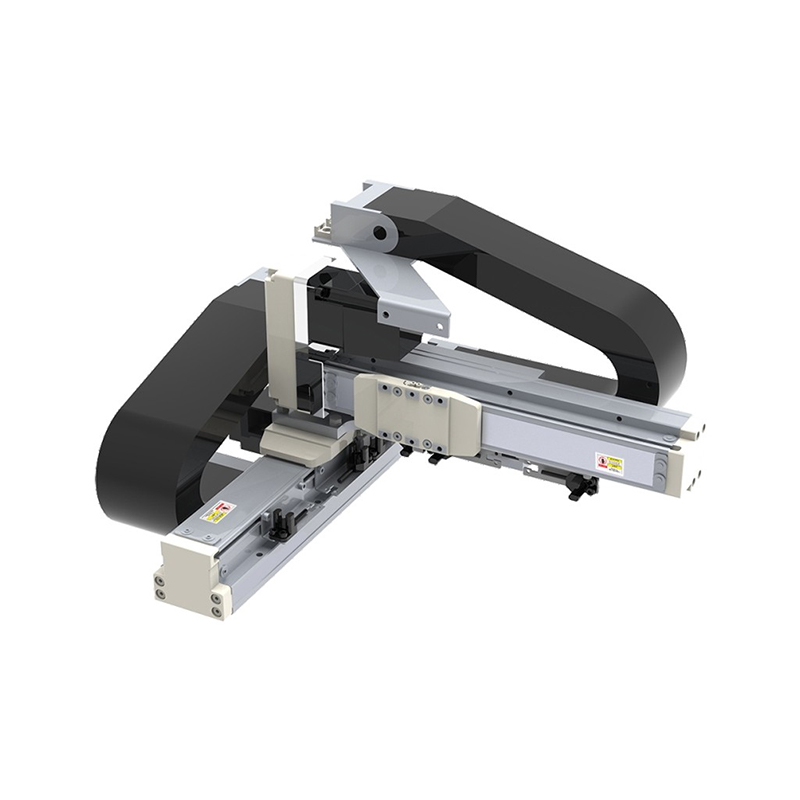
Heavy-Duty 3-Axis Linear Gantry Cartesian Robot
Manual handling remains common in many small and medium-sized factories, but it can create challenges when production volumes increase or when consistent positioning is required. Human operators may experience fatigue, repetitive strain, variation in cycle time, and difficulty maintaining identical placement accuracy throughout a long shift.
A Cartesian robot can perform repetitive transfer and placement tasks with consistent programmed movement. This helps employees move away from monotonous or physically demanding operations and focus on supervision, quality control, process improvement, and exception handling.
Automation also supports more predictable production planning. Once the process has been validated, the robot can repeat the same sequence across multiple shifts, provided that the workpiece, tooling, environment, and operating conditions remain within the designed range.
A single linear module can be an effective solution for lightweight and narrow applications. However, when the working structure becomes wider or the payload is distributed unevenly, a single support path may provide less resistance to twisting and lateral movement. The dual linear module structure of the XYH430-A is intended to provide stronger support for a gantry-style motion system.
This does not mean that a dual-module design is necessary for every automation task. Its value is greatest when the application demands a broader working envelope, improved load distribution, or a more stable platform for end tooling. Engineers should evaluate payload, center of gravity, acceleration, stroke, duty cycle, and tool offset before choosing between single- and dual-module arrangements.
Articulated arms provide excellent flexibility and can reach around obstacles or approach workpieces from different angles. However, their multi-joint structure may require more complex programming, path planning, calibration, and safety management. Their reachable workspace is also influenced by joint limits and robot orientation.
A Cartesian gantry robot is often preferable when the process follows a rectangular coordinate system. Its motion paths are easier to visualize and may be simpler to integrate with conveyors, fixtures, and linear production equipment. The system can also provide direct access to positions arranged along a grid or within a planar work area.
For precision assembly and testing, direct linear movement can be an advantage because the tool approaches the workpiece in a controlled and repeatable direction. For applications that do not require multiple wrist orientations or complex obstacle avoidance, the Cartesian structure may provide a more efficient and economical solution.
Traditional dedicated transfer equipment can provide high productivity but may require extensive mechanical development for every new product or process. If product models change frequently, a rigid custom machine may become difficult to modify.
A modular Cartesian robot offers a practical middle ground. It provides a dedicated and stable motion platform while retaining a degree of flexibility through programmable travel, adjustable positions, replaceable tooling, and integration with different sensors or fixtures. This can shorten the development path for small automation lines and support future process changes.
In addition, standardized linear modules can simplify the replacement of certain motion components compared with a completely custom mechanism. Maintenance staff and system integrators can work with recognizable axis structures, cable arrangements, drives, and control interfaces.
Suzhou Tongyousheng Electronic Technology Co., Ltd. integrates research and development, production, and sales. This integrated structure allows the company to connect product design with manufacturing feedback and application requirements.
For a motion product, integration between engineering and manufacturing is important. A design must not only function in a computer model but also be manufacturable, serviceable, adjustable, and stable during continuous operation. Feedback from machining, assembly, testing, and customer applications can be used to refine future products and improve production consistency.
The company has an experienced research and development team that works across mechanical design, motion technology, automation equipment, control systems, and application solutions. This multidisciplinary capability supports the development of products ranging from individual electric cylinders and linear modules to complete multi-axis motion platforms.
Precision automation equipment benefits from accurate design before manufacturing begins. Advanced design software can be used to develop mechanical structures, verify component relationships, review installation clearances, and identify potential interference between moving parts.
Digital design also supports better coordination between mechanical and electrical engineering. Cable routing, sensor placement, actuator position, limit protection, and maintenance access can be considered during the design stage rather than after assembly. This reduces the likelihood of avoidable modifications during commissioning.
For a dual-linear-module Cartesian robot, design coordination is particularly important. The two modules must maintain a suitable mechanical relationship, and the moving beam must remain aligned during operation. Proper modeling and engineering review can contribute to smoother assembly and improved motion consistency.
The company operates high-precision CNC machining centers to manufacture automation components and structural parts. CNC machining supports repeatable production of plates, brackets, supports, housings, mounting interfaces, and other components used in motion systems.
Machining quality affects the final performance of a Cartesian robot. Mounting surfaces must be properly formed, holes must align with related components, and structural parts must maintain their designed dimensions. Inaccuracies at the component level can create assembly stress, alignment errors, vibration, or premature wear.
Precision machining also supports customization. Different customers may require modified stroke lengths, mounting arrangements, tool interfaces, protective structures, or integration features. A capable machining operation can help adapt the product while retaining the basic advantages of a standardized motion architecture.
Manufacturing a linear robot involves more than producing individual parts. Assembly quality determines how well the parts function together. Linear modules, guide systems, drive components, frames, mounting plates, sensors, and cable carriers must be installed and adjusted in a coordinated manner.
Alignment control is especially important for a dual-module gantry. If the two linear paths are not correctly aligned, the moving structure may experience unnecessary resistance or uneven loading. Careful assembly can help the modules operate together smoothly and can reduce the risk of mechanical stress during long-term use.
Assembly procedures may include component inspection, reference surface verification, fastener control, guide alignment, drive adjustment, electrical connection, motion testing, and final inspection. Although exact procedures vary according to the configuration, disciplined assembly is a fundamental part of reliable automation manufacturing.
The company has developed a portfolio of core patents and proprietary technologies in the field of automation. Intellectual property supports the continuous improvement of mechanical structures, motion control methods, platform designs, linkage systems, and application technologies.
Research and development in motion automation is not limited to one product. Improvements made in electric cylinders, linear modules, servo presses, or motion platforms may provide useful knowledge for Cartesian robot development. For example, experience with load transmission, control response, mechanical rigidity, and system integration can be applied across product families.
This broader technology base enables the company to develop equipment for different levels of automation, from a single actuator to a coordinated multi-axis system. It also allows customers to work with a supplier that understands both individual motion components and complete equipment solutions.
Suzhou Tongyousheng collaborates with state-owned enterprises, defense technology institutions, and leading universities to promote the integration of industry, academia, and research. These collaborations can contribute to the development of advanced motion technologies, simulation systems, control algorithms, and intelligent manufacturing applications.
Such cooperation is valuable because industrial products must combine theoretical performance with practical reliability. Academic research may contribute new approaches to modeling, control, or mechanical design, while industrial production provides experience with manufacturing tolerances, operating environments, maintenance, and customer requirements.
The company’s involvement in these collaborative activities supports its position as a technology-oriented manufacturer rather than only a component reseller. It also reflects a long-term commitment to improving automation capabilities through engineering and innovation.
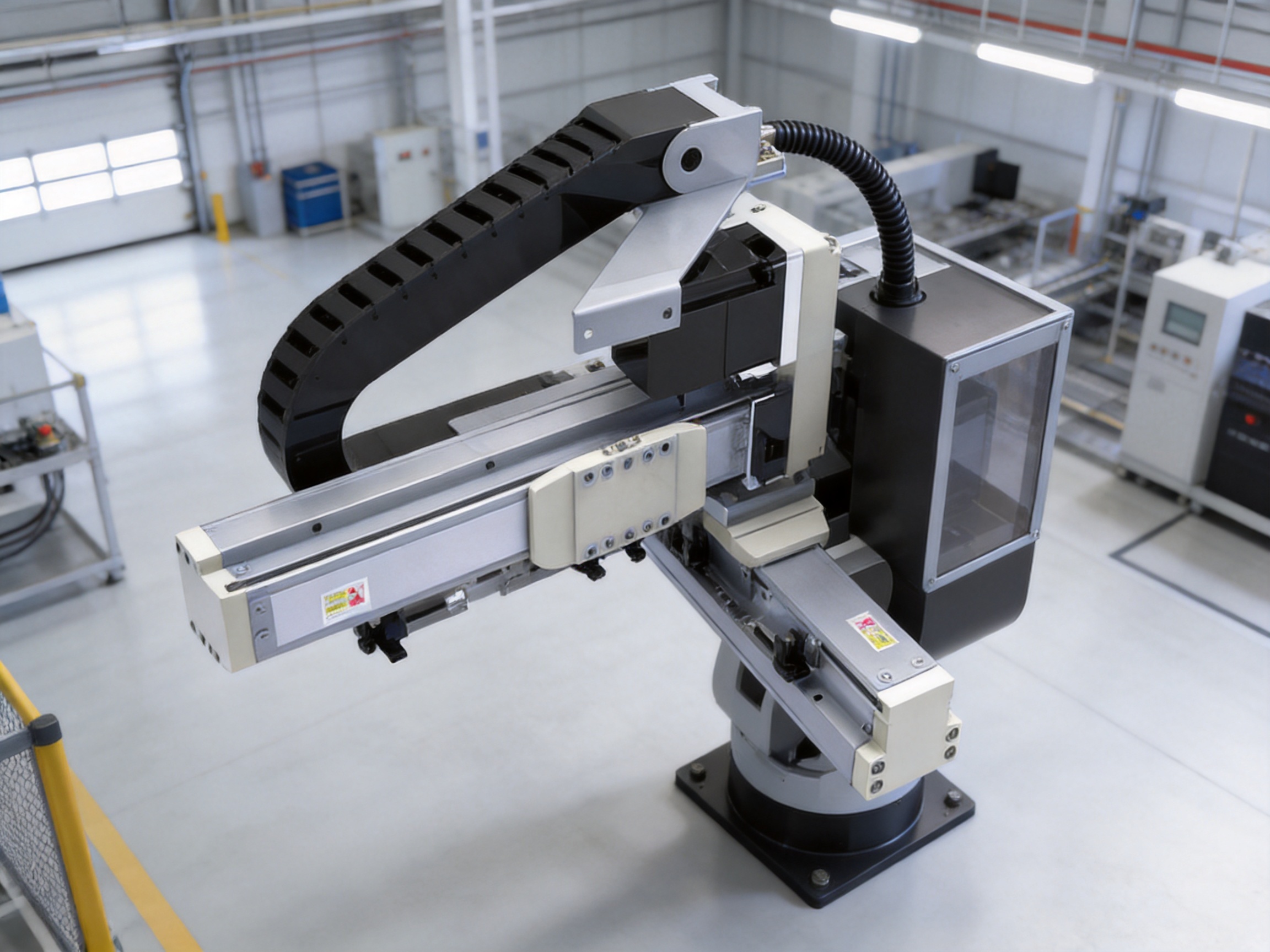
Automatic handling is one of the most direct applications for a three-axis Cartesian robot. The equipment can move products from one location to another, transfer parts between process stations, load fixtures, unload finished components, or organize products into defined positions.
The robot can be equipped with a suitable gripper, vacuum tool, magnetic tool, clamping device, or customized end effector. The selection depends on product material, shape, weight, surface condition, fragility, and required handling speed.
Handling sequences can be programmed to include approach positions, gripping actions, lifting movement, transfer movement, placement positions, and release actions. Sensors may be integrated to confirm product presence, tool status, or successful gripping before the robot proceeds to the next step.
Precision assembly requires parts to be placed accurately and consistently. The robot can position components over fixtures, insert parts into defined locations, or coordinate with pressing, fastening, dispensing, and inspection equipment.
For assembly, the motion profile must be carefully matched to the process. A fast approach may be followed by controlled low-speed movement near the assembly position. Sensors or force-related devices may be added when the process requires confirmation of contact or insertion.
The stable gantry structure can provide a reliable base for assembly tools. This is particularly useful when the tool must remain aligned with the workpiece during repeated cycles. The final accuracy depends on the robot configuration, tooling design, fixture quality, calibration, and process conditions.
Sorting applications often require the system to identify, pick, and place products into different locations. Identification may be performed by an operator, a barcode reader, a vision system, a sensor, or an upstream control system.
The Cartesian robot can then execute the corresponding movement program. Products may be separated by model, quality status, size, color, test result, or destination. The rectangular coordinate structure is convenient for sorting products into trays, bins, pallets, or rows.
When sorting small components, the robot’s repeatability and responsive motion can support consistent placement. The system can also be synchronized with a conveyor or indexing table, depending on the production design.
Testing systems often require a probe, camera, sensor, or measuring device to be positioned at specific locations. A three-axis robot can move the product or testing tool to predefined inspection points.
In a vision inspection application, the robot may position a component beneath a camera or move a camera over multiple areas. In an electrical testing application, it may position a connector or test probe. In a dimensional or functional test, it may transfer the product into a fixture and remove it after the test has been completed.
The motion system should be coordinated with the test controller. The robot may need to wait for a ready signal, confirm that the product is correctly positioned, hold its location during measurement, and respond to pass or fail information. Clear communication between the robot and inspection equipment is essential for reliable operation.
Consumer electronics, communication products, and computer-related equipment often require compact automation systems capable of handling small components and frequent product changes. The XYH430-A is suited to this environment because of its compact structure, flexible installation, and precision-oriented operation.
Potential tasks include component transfer, assembly assistance, connector placement, product loading, testing station handling, tray movement, and sorting of electronic parts. Tooling can be adapted to the product and may be changed when the production model is updated.
Electronics production also benefits from clean and organized equipment layouts. A properly designed Cartesian station can place moving components, cables, tooling, and control equipment in a clear arrangement that supports operator access and maintenance.
Small automation lines often require equipment that can perform several functions without occupying the space or investment level associated with a large integrated production system. A modular Cartesian robot can serve as the central movement element in a compact workstation.
It may be combined with conveyors, indexing tables, pneumatic devices, servo presses, vision systems, electric cylinders, sensors, and programmable controllers. This modular approach allows the production line to be built step by step. Manufacturers can begin with a handling or assembly function and later add inspection, sorting, or data collection capabilities.
For small and medium-sized manufacturers, flexibility is often as important as maximum speed. A system that can be reconfigured for future products may deliver greater long-term value than a machine designed for only one fixed task.
The product belongs to a broader automation technology portfolio that includes electric cylinders, linear motion modules, linear motor modules, servo press machines, robotic seventh axes, and multi-degree-of-freedom platforms. This portfolio allows the company to support different mechanical and motion requirements.
An electric cylinder may be used for pressing, clamping, lifting, or controlled linear actuation within the same production cell. A servo press may provide programmable force and displacement control for assembly or forming operations. A linear motor module may be selected when the application requires a different motion response or high dynamic performance.
In larger robotic systems, a robotic seventh axis can extend the travel range of an articulated robot. In simulation and testing applications, a six-degree-of-freedom or multi-degree-of-freedom platform can reproduce complex motion. Although these products serve different purposes, they share common requirements related to precision, control, mechanical stability, and system integration.
Customers may therefore benefit from dealing with a supplier that can evaluate the complete motion problem rather than selecting isolated components without considering their interaction. A coordinated solution can help ensure that the robot, drives, tooling, fixtures, sensors, and control system work together effectively.
| Product or Technology | Typical Motion Role | Potential Relationship to the Cartesian Robot |
|---|---|---|
| Electric cylinder | Controlled linear pushing, lifting, or clamping | Can support tooling, fixtures, pressing, or auxiliary movement |
| Linear motion module | Single-axis or modular linear travel | Forms the basis of Cartesian axis construction |
| Linear motor module | Direct linear movement for selected high-response applications | May be evaluated for specialized axis requirements |
| Servo press machine | Programmable pressing and assembly force | Can be integrated into a gantry-based assembly station |
| Robotic seventh axis | Extended travel for an articulated robot | Provides a different solution for large-area robotic movement |
| Multi-degree-of-freedom platform | Coordinated motion and simulation | Supports advanced motion research and testing applications |
A reliable automation product begins with a clear understanding of the intended application. Engineers must consider the workpiece dimensions, payload, center of gravity, travel range, cycle time, required repeatability, installation orientation, environmental conditions, and safety requirements.
For the Heavy-Duty 3-Axis Linear Gantry Cartesian Robot, the dual-module structure should be selected and configured according to the actual load and working envelope. The term heavy-duty should not be interpreted as a universal capacity for every task. Final performance depends on the specific model configuration, axis arrangement, drive system, tooling, acceleration profile, and operating conditions.
Application analysis also determines whether additional protection is needed. Dust, oil mist, humidity, temperature variation, vibration, electrostatic concerns, and clean production requirements may influence the selection of covers, cable carriers, seals, sensors, and maintenance procedures.
After requirements are established, mechanical designers can develop the frame, axis arrangement, mounting interfaces, tool support, and protective elements. Digital modeling helps verify movement paths and identify potential interference.
Design review should include the moving mass, cantilever distance, support spacing, fastening method, service access, cable bending radius, sensor location, and emergency stop behavior. A well-designed system should provide not only motion performance but also practical access for inspection and maintenance.
Where appropriate, engineering analysis can be used to review structural stiffness, expected deformation, vibration behavior, and the effect of payload distribution. This is especially relevant to gantry systems because the moving beam and tool may generate moments around the support structure.
Following design approval, structural and functional components are manufactured using suitable processes. High-precision CNC machining centers can produce parts with consistent dimensions and repeatable interfaces. Component inspection helps confirm that parts meet the intended design requirements before assembly.
Motion components must be handled carefully to protect guide surfaces, drive elements, and mounting features. Proper storage and handling are important because contamination or damage can affect operation after assembly.
During assembly, the structural frame and linear modules are installed according to defined reference points. The dual modules are aligned so that the gantry can travel smoothly without excessive resistance. Fasteners, cable carriers, sensors, and electrical connections are installed in a controlled sequence.
Tooling and fixtures should be mounted with attention to the center of gravity and the direction of process forces. An offset tool may create additional loading on the gantry, so its effect should be considered during commissioning.
Electrical assembly includes drive connections, signal wiring, limit sensors, emergency circuits, communication interfaces, and control cabinet connections. Cable routing should protect wires from excessive bending, abrasion, heat, and interference with moving components.
Before delivery, the robot should undergo motion testing and commissioning. Initial tests may be performed at low speed to verify axis direction, limit behavior, sensor response, and basic travel. The system can then be tested under increasingly representative operating conditions.
Commissioning may include coordinate verification, repeatability checks, acceleration adjustment, synchronization of dual modules, tool alignment, and communication with external devices. The final settings should reflect the actual workpiece, tooling, fixture, and production sequence.
Successful commissioning is important because even a well-manufactured robot can perform poorly if it is incorrectly installed, overloaded, improperly calibrated, or operated with unsuitable motion parameters. System integrators should document the final settings and provide operators with clear procedures.
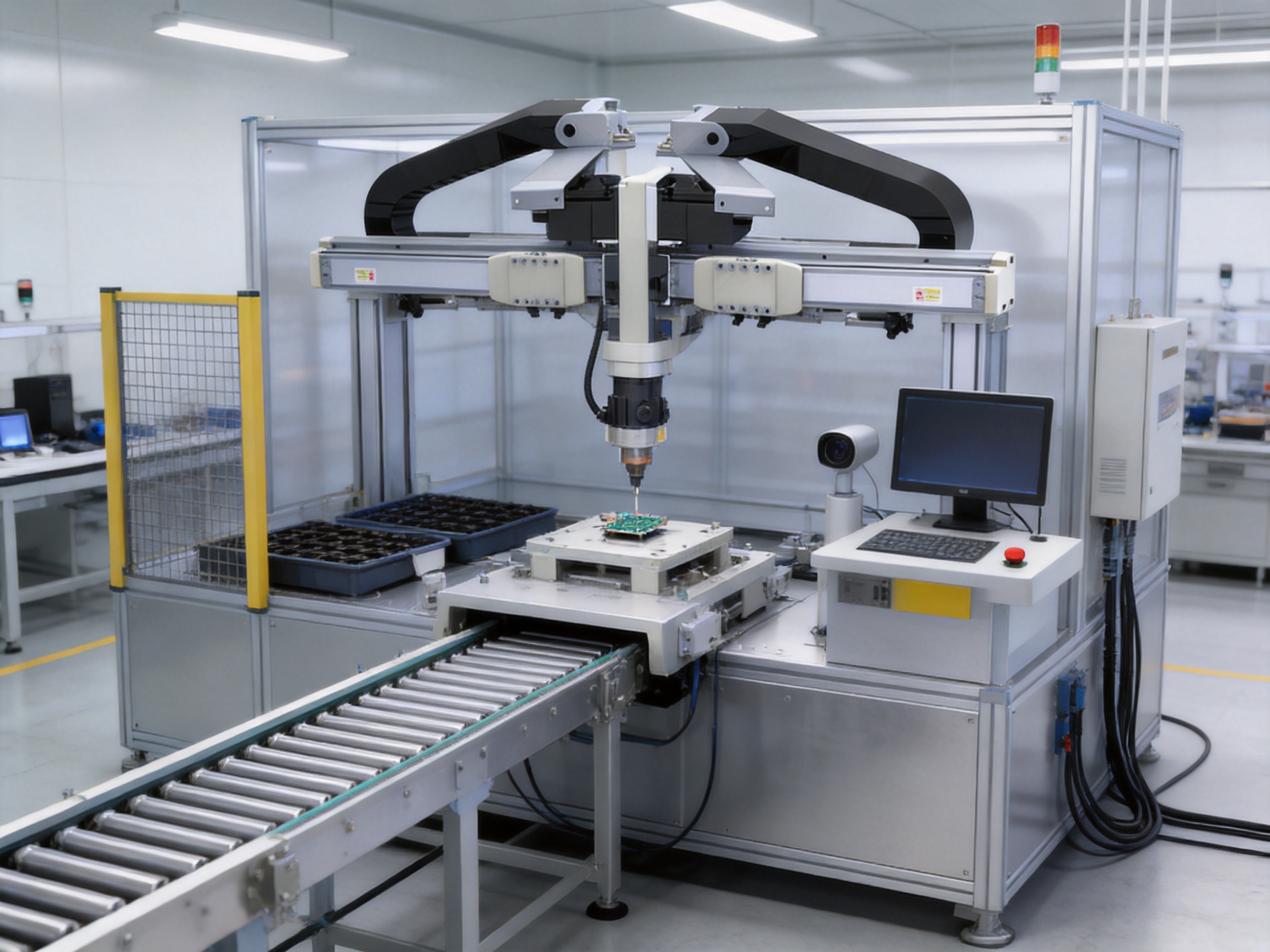
Automated linear movement reduces dependence on manual positioning and helps create a repeatable production sequence. Consistent movement can improve the uniformity of assembly, handling, testing, and sorting operations.
When the robot is integrated with sensors and process controls, it can also provide more consistent decision-making. For example, the equipment can wait for a product-present signal, verify a fixture condition, and complete a defined placement sequence before reporting the result to the line controller.
The robot can take over repetitive movement tasks that do not require continuous human judgment. Employees can then be assigned to inspection, replenishment, maintenance, programming, process optimization, and quality improvement.
This can be especially valuable where the production line operates for long hours or where repetitive handling creates ergonomic concerns. Automation does not eliminate the need for skilled personnel; instead, it changes the skills required within the production environment.
A Cartesian robot can serve as a foundation for future automation expansion. Additional sensors, vision equipment, fixtures, conveyors, pressing devices, and data interfaces may be integrated as production requirements develop.
Because the system uses programmable linear axes, changes to product positions or movement sequences may be implemented through software and tooling adjustments rather than complete mechanical redesign. The extent of flexibility depends on the original system design, available travel, payload margin, controller capability, and end-effector arrangement.
The linear axis arrangement is relatively easy for technicians to understand. Each axis has a defined movement direction, and common maintenance areas can be identified through the mechanical layout. This may simplify troubleshooting compared with highly complex mechanisms.
Routine maintenance should include inspection of guides, drive components, fasteners, cable carriers, sensors, tooling, and safety devices. Lubrication and cleaning requirements should follow the instructions associated with the selected components and operating environment.
Maintenance intervals should be established according to duty cycle, speed, payload, contamination level, and production hours. Early detection of abnormal noise, vibration, resistance, positioning deviation, or cable wear can help prevent unplanned downtime.
Before ordering or configuring the robot, users should define the required travel along each axis. The working envelope must include not only the product positions but also approach distances, tool clearance, fixture height, transfer height, and safe maintenance access.
It is advisable to avoid designing the robot so that every axis operates continuously at its maximum travel. A practical reserve can provide room for future adjustment and help reduce limitations during commissioning.
Payload includes more than the product being moved. It may include the gripper, vacuum generator, camera, cables, sensors, brackets, and any auxiliary tooling. The center of gravity and offset from the axis support are also important.
A tool mounted far from the moving support can create a larger moment than a centered tool of the same mass. Engineers should therefore provide complete payload information when requesting a configuration. The robot should be selected according to real operating conditions rather than product mass alone.
Cycle time depends on travel distance, acceleration, deceleration, dwell time, gripping time, fixture operation, testing duration, and communication with other devices. A short physical movement does not automatically guarantee a short cycle if the process includes long waits or slow external operations.
Cycle-time analysis should include the complete sequence. The robot may be able to move rapidly, but the overall production rate may be limited by inspection, pressing, loading, unloading, or operator interaction. Coordinating the robot with the slowest process element can produce a more balanced automation cell.
Industrial motion equipment must be integrated with suitable safety measures. Depending on the installation, these may include guarding, safety doors, light curtains, emergency stop devices, safe motion functions, warning signs, and controlled access procedures.
Risk assessment should consider crushing points, shear points, falling objects, unexpected startup, tool release, product ejection, and access during maintenance. The final safety design must comply with the regulations and standards applicable to the installation location.
The robot may need to communicate with a programmable logic controller, vision system, conveyor, test instrument, servo press, barcode reader, or manufacturing execution system. Signals may include start, ready, busy, complete, fault, product present, inspection result, and reset.
Clear communication logic helps avoid errors such as moving before a fixture is ready or releasing a product before the destination is confirmed. Where production traceability is required, the system can be designed to associate robot actions with product identification and test results.
Quality in automation is built through a combination of design, materials, machining, assembly, testing, documentation, and service. A motion system that performs well during an initial demonstration must also remain maintainable and reliable during real production.
Suzhou Tongyousheng emphasizes quality, reputation, innovation, and development as core values. These principles support a product strategy focused on long-term customer relationships rather than short-term equipment delivery.
Technical support may include product selection, application evaluation, configuration assistance, installation guidance, commissioning support, maintenance advice, and integration coordination. The exact support scope depends on the project and customer requirements.
For international customers, clear communication is especially important. Product specifications, drawings, electrical interfaces, installation conditions, spare parts, warranty terms, and operating instructions should be confirmed before production begins. A detailed technical review can reduce misunderstandings and help ensure that the equipment is correctly integrated into the customer’s line.
Customers should also establish acceptance criteria before delivery. These may include travel verification, positioning performance, cycle-time targets, payload testing, communication checks, safety-function checks, and sample production. Clearly defined acceptance criteria create a shared understanding between the equipment manufacturer, system integrator, and end user.
Intelligent manufacturing requires more than isolated automation devices. It depends on connected equipment that can perform repeatable actions, exchange information, respond to process conditions, and support continuous improvement.
The Heavy-Duty 3-Axis Linear Gantry Cartesian Robot contributes to this environment by providing programmable and repeatable movement. When combined with sensors, controllers, vision systems, and production data, it can become part of a more intelligent workstation.
Its linear structure also supports transparent process analysis. Engineers can review axis positions, movement times, fault conditions, and production sequences. This information can be used to identify bottlenecks, optimize paths, reduce unnecessary movement, and improve equipment utilization.
As factories move toward Industry 4.0, modular motion systems can help manufacturers modernize existing production lines. A Cartesian robot can be introduced at a specific manual station and later connected with upstream and downstream equipment. This gradual approach may be more practical than replacing an entire line at once.
A 3-axis Cartesian robot is an automated motion system that moves along three linear directions, normally identified as X, Y, and Z. It is used to transfer, position, assemble, sort, or inspect products and components within a defined working envelope.
The XYH430-A uses a dual linear module structure. The two-module arrangement helps support the gantry structure, distribute loads, and provide stable movement for applications requiring repeatable positioning and coordinated motion.
The robot is suitable for 3C manufacturing, electronics production, small automation lines, precision assembly, automatic handling, sorting, testing, and related intelligent manufacturing applications.
A Cartesian robot is generally better suited to applications based on rectangular coordinates and direct linear movement. It can be easier to program, integrate, and maintain for grid-based handling, assembly, and testing. An articulated arm may be more suitable when the process requires complex angles, obstacle avoidance, or multiple wrist orientations.
Automation systems are commonly configured according to travel, payload, tooling, installation method, controller, safety requirements, and production sequence. Customers should provide detailed application information so the appropriate configuration and integration approach can be evaluated.
The payload calculation should include the product, gripper, vacuum equipment, camera, brackets, sensors, cables, and other components carried by the moving axis. Tool offset and center of gravity should also be considered because they affect mechanical loading.
Yes. Its high positioning repeatability, stable operation, and three-axis linear movement make it suitable for many precision assembly tasks. Final results depend on tooling, fixtures, calibration, product tolerances, operating parameters, and the specific configuration.
Yes. The robot can position a product, camera, probe, or testing device at defined locations. It can be integrated with sensors, vision systems, electrical testers, and other equipment to create an automated inspection or testing station.
The manufacturer integrates research and development, production, and sales, and uses advanced design software, high-precision CNC machining centers, experienced engineering personnel, and controlled assembly processes. The company also maintains core patents and collaborates with research institutions and universities.
Important information includes product dimensions, product weight, required quantity per cycle, travel distance, target cycle time, tool type, installation orientation, working environment, communication requirements, safety conditions, and any special accuracy or testing requirements.
Users should inspect the linear modules, guides, drive components, fasteners, sensors, cable carriers, tooling, and safety devices at suitable intervals. Cleaning, lubrication, calibration, and replacement procedures should follow the technical instructions for the selected configuration and operating environment.
A supplier with experience in electric cylinders, linear modules, servo presses, linear motor modules, robotic axes, and motion platforms may be able to evaluate the complete automation process. This can help customers select compatible components and develop a more coordinated system.
The Heavy-Duty 3-Axis Linear Gantry Cartesian Robot is a practical solution for manufacturers seeking stable, repeatable, and flexible linear automation. Its dual linear module structure supports gantry movement and load distribution, while its three-axis configuration provides direct and predictable motion for handling, assembly, sorting, and testing.
The product is especially well suited to 3C manufacturing, electronics production, and small automation lines where compact installation, fast response, and consistent positioning are important. Compared with manual handling, it can improve production consistency and reduce repetitive labor. Compared with more complex robotic architectures, it can provide a simpler and more direct solution for rectangular working areas. Compared with fully custom transfer equipment, it offers programmable motion and greater adaptability.
Its value is further supported by the manufacturer’s integrated capabilities in research and development, precision CNC machining, mechanical design, automation manufacturing, control technology, and system integration. The company’s broader product portfolio and collaboration with industrial and academic partners provide additional technical resources for customers developing intelligent manufacturing systems.
Successful application depends on correct configuration, installation, tooling, programming, safety protection, and maintenance. When these factors are properly managed, the XYH430-A can become a reliable motion platform for modern automated production and a practical foundation for future manufacturing upgrades.
1. Suzhou Tongyousheng Electronic Technology Co., Ltd. Product and company information supplied for the Heavy-Duty 3-Axis Linear Gantry Cartesian Robot.
2. General principles of Cartesian robot design, linear motion systems, and industrial automation engineering.
3. General practices for CNC machining, mechanical assembly, alignment, and quality control in precision automation equipment.
4. General industrial guidance concerning robotic system integration, machine safety, guarding, emergency stops, and risk assessment.
5. General engineering references concerning positioning repeatability, payload analysis, motion profiles, and automated handling systems.
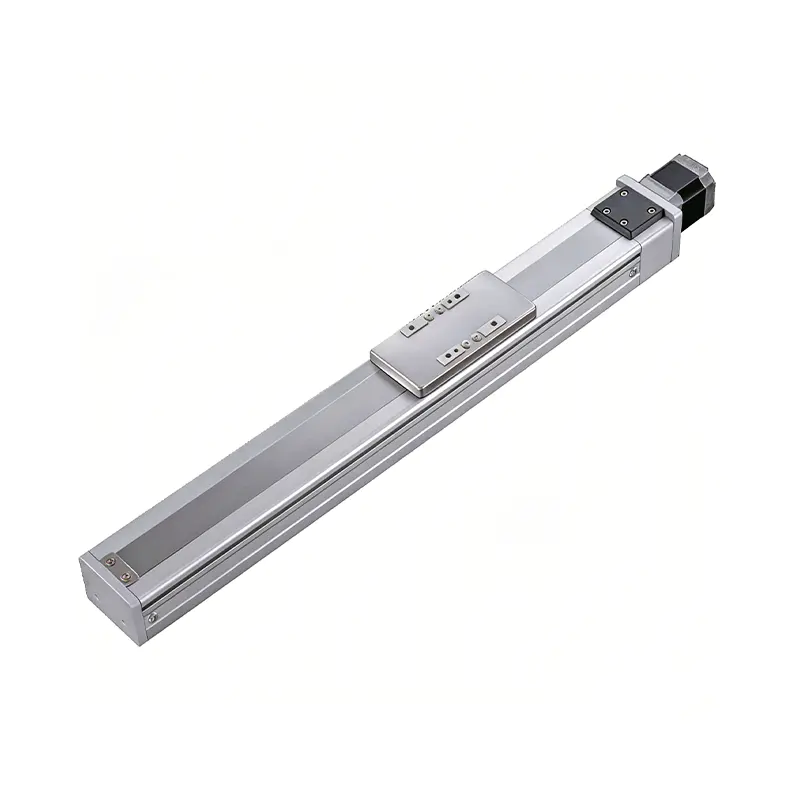 0.01mm High Precision Ball Screw Driven Rail-Embedded Linear Module
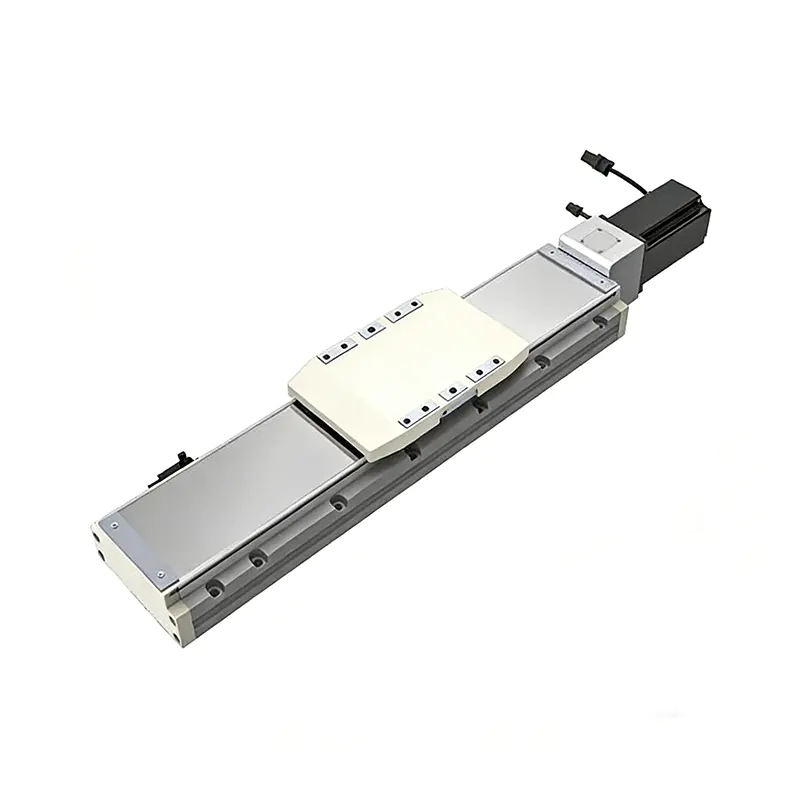 Heavy Load Ball Screw Driven Rail-Embedded Linear Module
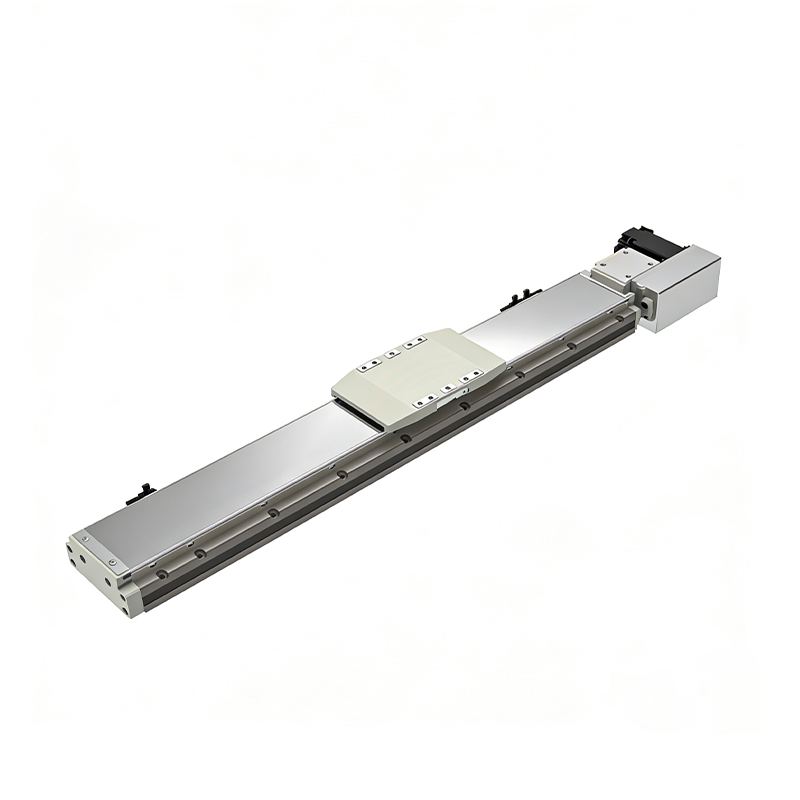 110KG Load Long Stroke Rail-Embedded Linear Module
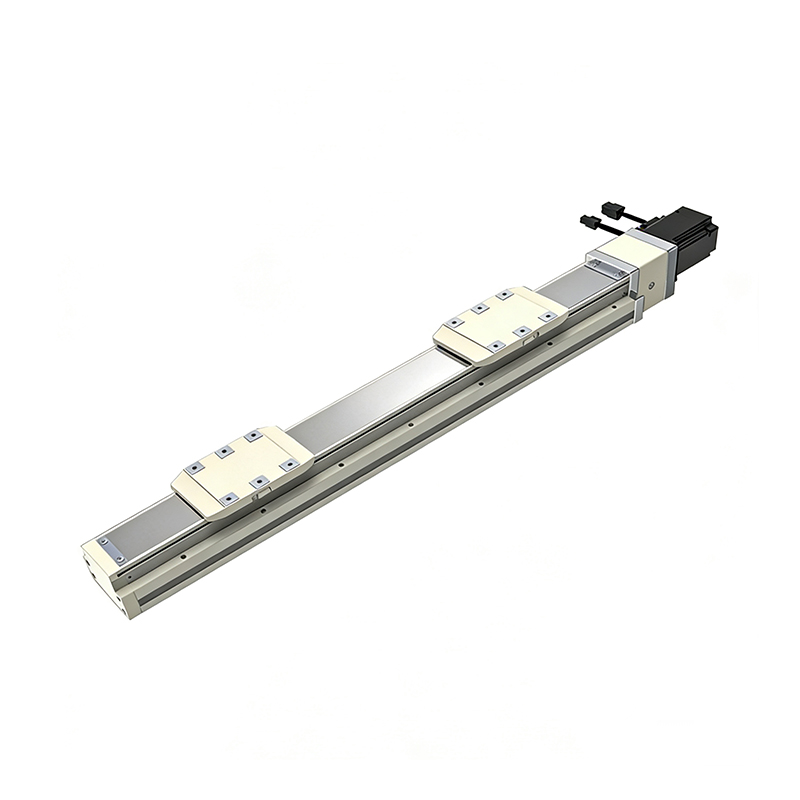 Dual-Slider High Precision Rail-Embedded Linear Module
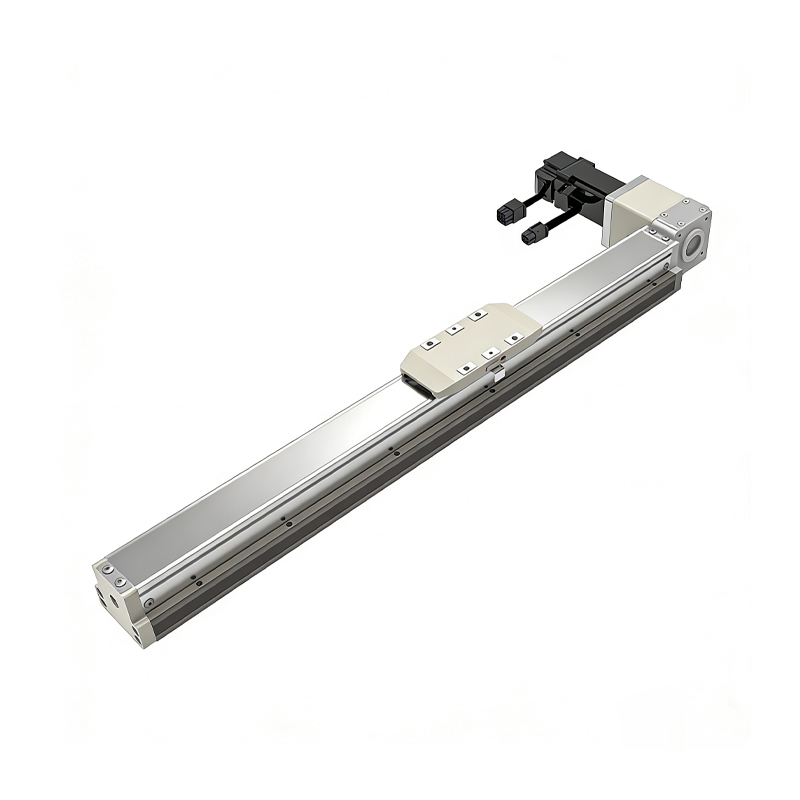 Belt Driven Dust-Proof Rail-Embedded Linear Module
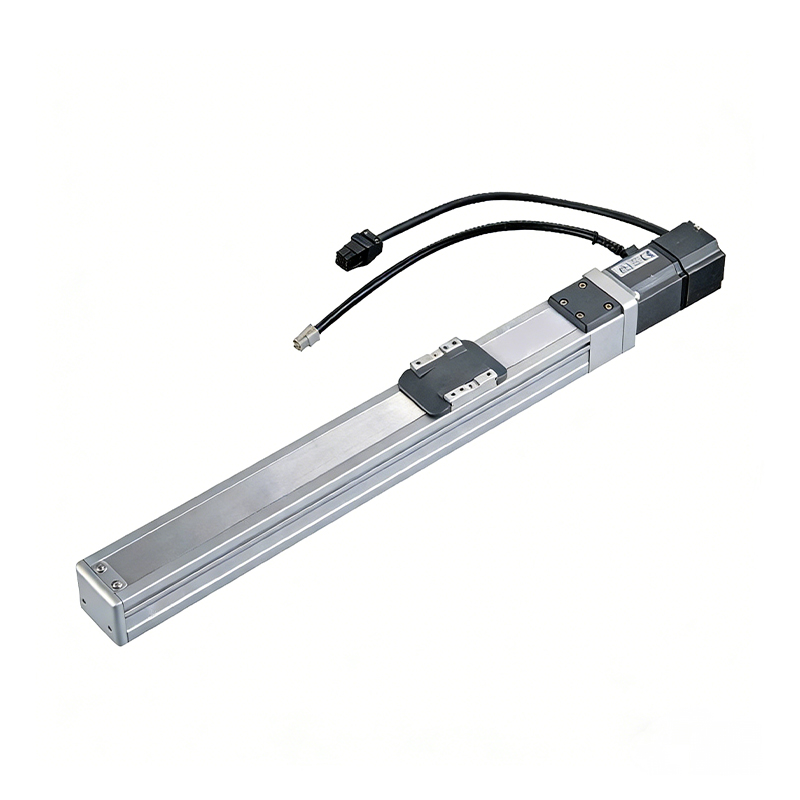 0.01mm High Precision Light Load Ball Screw Linear Module
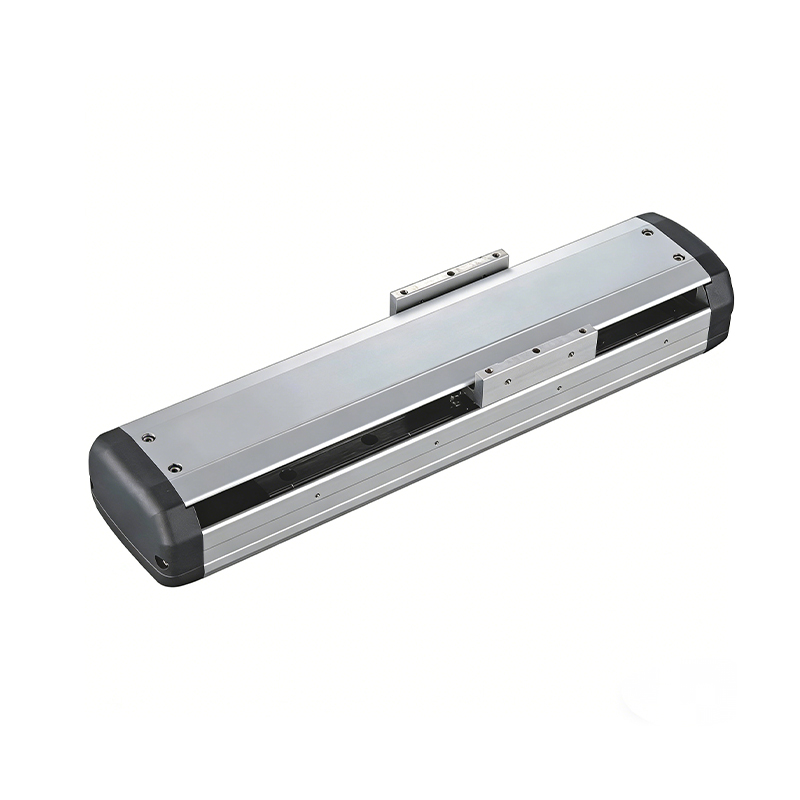 Ball Screw Linear Module with Built-in Sensor
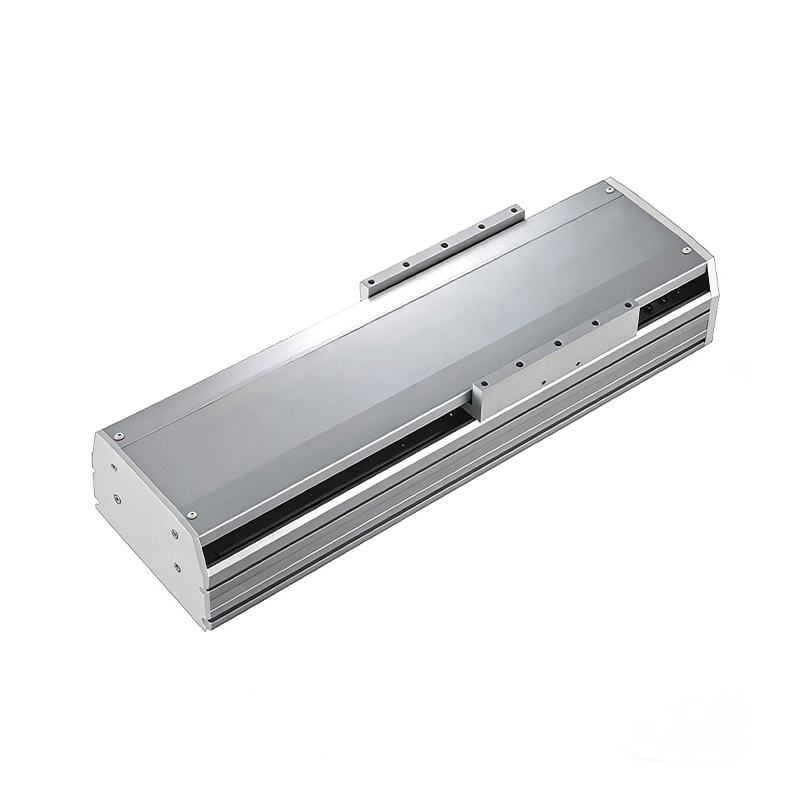 2000mm Long Stroke Ball Screw Linear Module
This 2000mm Long Stroke Ball Screw Linear Module is customized for large-range linear movement automation tasks, support...
READ MOREThis 2000mm Long Stroke Ball Screw Linear Module is customized for large-range linear movement automation tasks, support...
READ MOREThis 2000mm Long Stroke Ball Screw Linear Module is customized for large-range linear movement automation tasks, support...
READ MOREThis 2000mm Long Stroke Ball Screw Linear Module is customized for large-range linear movement automation tasks, support...
READ MORE
If you are interested in our products, please leave us a message. We look forward to providing you with
professional services!
Innovation and transcendence make factory intelligent manufacturing efficient and convenient!
+86 186 2508 0683
19962977901
sales@sz-tys.com
Building 5, Suzhou Mudu International Science and Technology Innovation Park, Jinfeng South Road, Suzhou City, Jiangsu Province, China
